
Homemade Pizza: Is It Cheaper Than Buying?
The dough costs next to nothing, it's the mozzarella and toppings that decide whether homemade pizza pays off. Here's the cost structure and the swaps that cut the bill; which ingredients are on promotion you see in the Rappn app.
Rappn compares the current promotions of 7 Swiss retailers, updated daily: free, no subscription.
Build your list in Rappn, free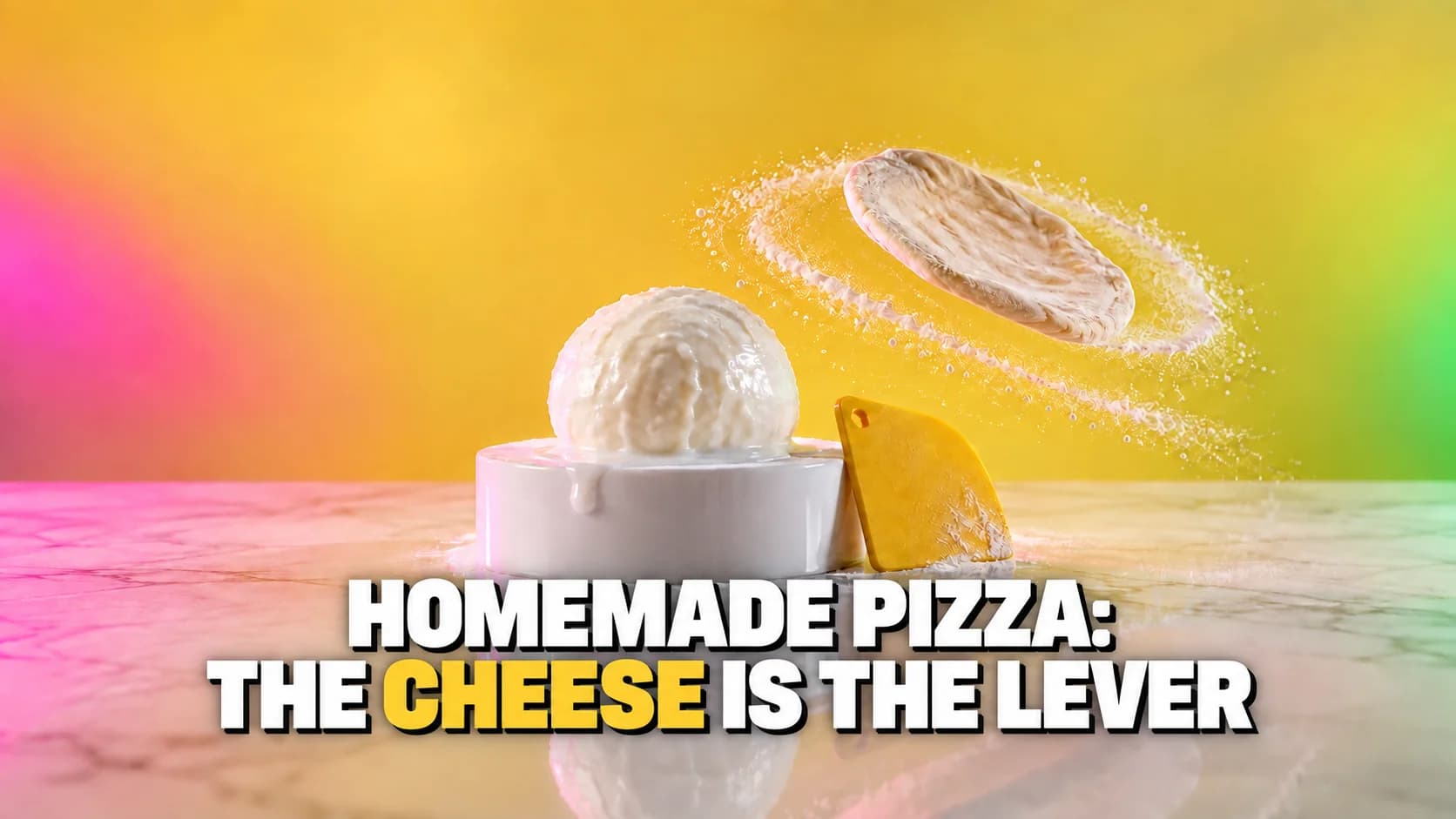
When you make pizza at home, the dough is the cheapest part: flour, yeast, water, salt and a splash of oil cost next to nothing for a whole tray. What drives the bill up is the cheese, the mozzarella, and toppings like salami or ham. The sauce (passata) and the dough barely register. Which ingredients are on promotion this week you can see in the Rappn app: put the pizza recipe on your shopping list with one tap, and it shows the current promotions of the seven chains Rappn compares.
As of July 2026. We deliberately don't quote franc amounts here, because prices change every week. Which ingredients are on promotion right now the Rappn app shows once the recipe is on your shopping list, with the current promotions of Migros, Coop, Aldi, Lidl, Denner, Aligro and Otto's.
Rappn compares all seven chains neutrally, 100% free, with no retailer deals, so we have no reason to make anyone look cheaper than they are.
What does homemade pizza cost per serving?
For four people you need roughly 500 g of white flour, a little yeast (fresh or dry), water, salt and olive oil for the dough, plus passata or pelati for the sauce, mozzarella and your toppings. The trick: the dough scales almost for free. Baking for two or for four barely changes the flour cost, only what goes on top costs money. That's exactly why making it yourself pays off most when you cook for several people or batch ahead. So the real question isn't "what does a pizza cost," but "what do the cheese and toppings cost this week."
This is Rappn's shopping-list view: add a recipe's ingredients and see the current offer for each one across Migros, Coop, Aldi, Lidl, Denner, Aligro and Otto’s. Tap around to try it.
Build your list in Rappn, freeFree, no subscription · iOS & Android
Weekly
Where do you save the most? The cheese is the lever
| Ingredient | Cheaper alternative | Note |
|---|---|---|
| Branded mozzarella (e.g. Galbani) | Own-brand: M-Budget / Prix Garantie mozzarella | Biggest lever; keeps in the fridge, stock up on Aktion |
| Salami / ham / prosciutto | Vegetable toppings: mushrooms, peppers, onions | Second cost driver; seasonal veg is cheapest |
| Ready-made pizza dough / mix | Dough from flour + yeast yourself | Cheapest base; scales almost for free |
| Branded passata / pelati | Own-brand passata (Migros/Coop budget line) | Little quality difference for the sauce |
| Special "pizza flour" | Ordinary white flour | A home oven does fine with plain white flour |
Homemade, frozen or takeaway, which is cheaper?
Broadly: homemade clearly beats takeaway and branded frozen pizza on ingredient cost alone, because you're not paying for rent, staff or delivery, a restaurant or delivery Margherita costs several times the ingredients you'd use yourself. Against frozen it depends which you compare: a branded frozen pizza you'll easily undercut at home. But the absolute price floor on the convenience side is the budget own-brand frozen pizzas (M-Budget, Prix Garantie) and the discounters, so cheap per piece that homemade doesn't always win on francs alone once you count your time. What homemade does win on is quality, portion size and control over the toppings.
Which chain leads this week on flour, mozzarella or salami keeps shifting, sometimes the own-brand, sometimes a branded product on Aktion, sometimes the discounter. That's exactly why the Rappn app shows you, on your shopping list, which ingredients are on promotion right now at which of the seven chains.
So whether making it yourself is worth it depends on how you top it and how much you bake at once, and above all on this week's offers. Rather than invent a number here, check it yourself: open the Rappn pizza recipe and add it to your shopping list in the app, check the current offers on mozzarella and toppings, and compare the chains' promotions side by side on the price comparison.
Updated: .
Why Rappn?
Rappn is an independent grocery price comparison app in Switzerland, with no commercial agreements with any retailer. Our comparisons are truly independent.
- 100% free: no subscription, no hidden costs
- Neutral: no commercial agreements with Migros, Coop, Aldi, Lidl, Denner, Aligro, or Otto’s
- Updated daily, as soon as the chains publish their deals
- The chains’ deals in one place: search, filter, compare, no subscription
- Meal planner in the Kitchen tab: plan the week, send the ingredients to your list

Ready to save on groceries?
Install Rappn and compare for yourself this week. No account required.Scan the code, install Rappn and compare current offers. No account needed.




Frequently Asked Questions
Is homemade pizza cheaper than buying it?
Against takeaway and branded frozen, clearly yes, you're not paying for rent, staff or delivery. Only the cheap own-brand frozen pizzas and discounter deals sometimes beat it per piece once you count your time. Which ingredients are on promotion you see in the Rappn app once the pizza recipe is on your shopping list.
Which ingredient makes homemade pizza most expensive?
Almost always the mozzarella, followed by toppings like salami, prosciutto or ham. Dough, sauce and flour barely register. That's why the cheese and toppings are where the biggest savings sit.
How do I save the most on mozzarella?
Reach for the own-brand (M-Budget or Prix Garantie) instead of a branded pack, you'll barely taste the difference once it's baked. And buy it on Aktion when it's cheap; mozzarella keeps in the fridge. The Rappn price comparison shows which chain has what on promotion this week.
Ready-made dough or make it myself?
Making dough from flour and yeast is the cheapest base and it scales almost for free. Ready dough or mixes are handier but pricier per pizza. A home oven does fine with ordinary white flour, you don't need special pizza flour.
Homemade or frozen, which is cheaper?
A branded frozen pizza you'll easily undercut at home. But the budget own-brand frozen pizzas (M-Budget, Prix Garantie) and the discounters are the real price floor on convenience. Homemade wins mainly on quality, portion size and topping control.
Where do I see which ingredients are on promotion?
In the Rappn app: put the pizza recipe on your shopping list, and it shows the current promotions of the seven big chains for each ingredient. You'll also find the current offers on mozzarella and toppings in the offers overview.