Pasta Prices in Switzerland: What You Actually Pay in 2026
113 pasta deals at 6 chains for the canton of Zurich. Lowest price per kilo: CHF 2.24/kg. Updated 28 Sept 2026.
Lowest prices per kilo
See all 113- deals
- 113
- chains
- 6
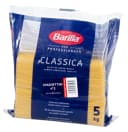
 Aligrountil Sat 3 Oct
CHF 2.24 per kilo
CHF 11.20
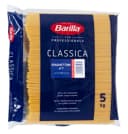 Aligrountil Sat 3 Oct
CHF 2.24 per kilo
CHF 11.20
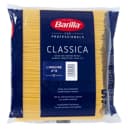 Aligrountil Sat 3 Oct
CHF 2.24 per kilo
CHF 11.20
Promotions only, not regular shelf prices. Price per kilo: deal price divided by the weight in kilos, checked against the chain’s own figure where there is one. Source: deals published by the chains.
All pasta deals
For the canton of Zurich
113 deals
- −35%
- −35%
- −35%
- −35%
- −35%Lowest per kilo
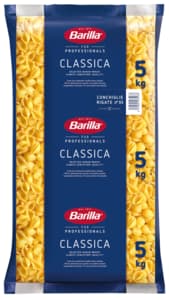
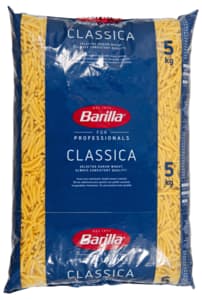
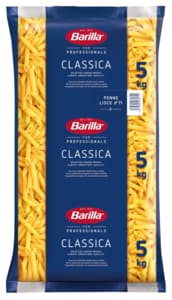
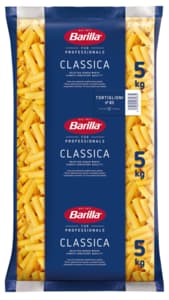
Barilla Penne Rigate n.73 5kg
AligroCHF 2.24 per kilo
CHF 11.20was
17.30until Sat 3 Oct
- −50%
- −50%
- −50%
- −50%
- −50%
- −50%
- −44%
- −44%
- −44%
- −44%
- −44%
- −28%
- −17%
- −17%
- −17%
- −17%
- −17%
- −17%
- −17%
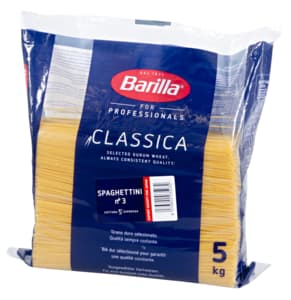
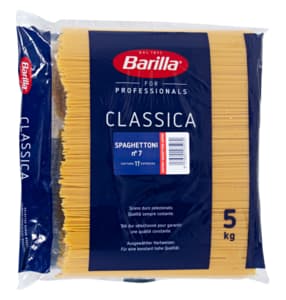
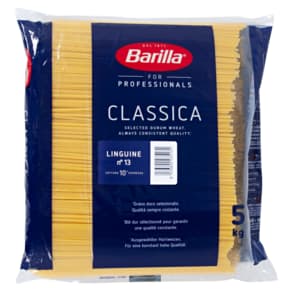
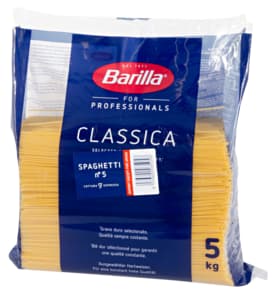
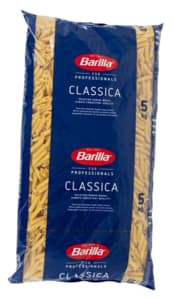


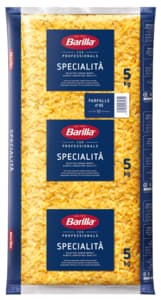
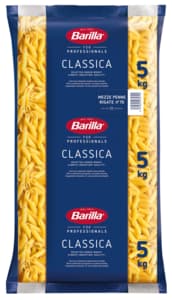
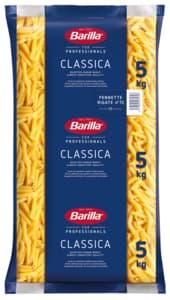
 Aldi
AldiGuide
Brand or house brand: in May 2026 the price per 100 g of dry pasta varied 23-fold. Below: the K-Tipp finding on the Barilla factory behind Combino, the Kassensturz blind test and when paying more makes sense.
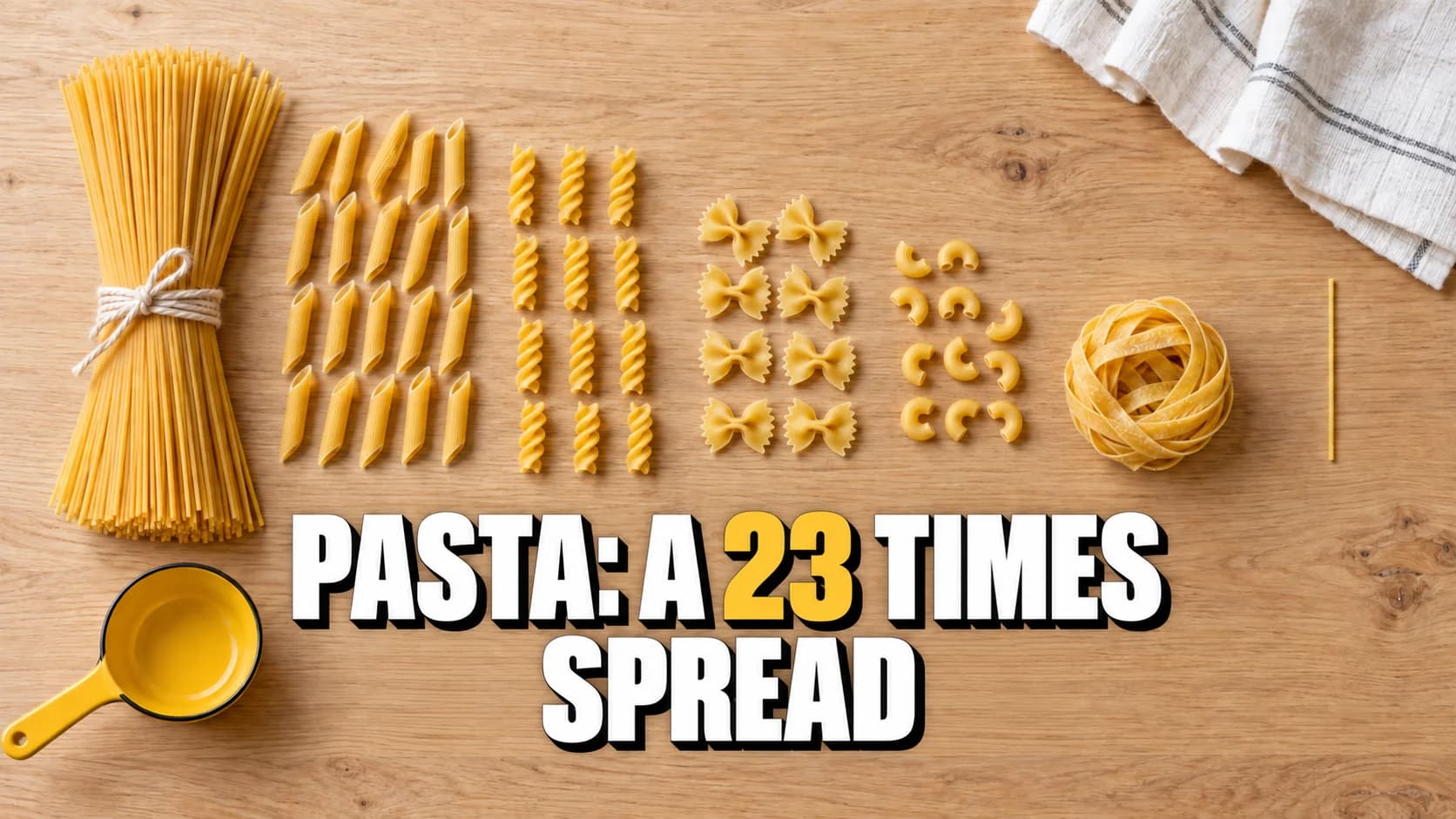
In May 2026, a 500g pack of standard pasta in Switzerland cost CHF 0.60 at Lidl, CHF 1.20 at Migros M-Budget, CHF 2.50 for Barilla at Coop on promo, and up to CHF 6.95 for organic Naturaplan. The 23-fold spread was real, and most of it comes down to one thing: branded versus private-label pasta. The K-Tipp 2024 investigation found Lidl's Combino is produced in a Barilla factory in Muggia, Italy, sold at less than half the Barilla price. Kassensturz's blind taste test went further, Barilla finished last, behind every Swiss house brand. Here is what cost what in May 2026, and where the savings came from.
Sources checked regularly. Prices verified at coop.ch, migros.ch, and Lidl Schweiz press releases. Independent test data from K-Tipp (March 2024) and SRF Kassensturz blind taste test. Live offers in the Rappn app.
Rappn is an independent grocery price comparison app in Switzerland, with no commercial agreements with any retailer.
Reference, May 2026: pasta prices in Switzerland
Prices as of May 2026, not current. Current deals are at the top of this page.
| Retailer | Product | Size | Price | Per 100g | Notes |
|---|---|---|---|---|---|
| Lidl Schweiz | Combino Spaghetti / Penne / Fusilli | 500g | CHF 0.60 | CHF 0.12 | New permanent low (CHF 1.19/kg) since Oct 2025 |
| Migros | M-Budget Spaghetti | 1kg | CHF 1.20 | CHF 0.12 | Lowest unit price in CH grocery |
| Aldi Suisse | Cucina Nobile (own brand) | 500g | CHF 0.65-0.85 | CHF 0.13-0.17 | Aldi house range, varies by shape |
| Coop | Prix Garantie Spaghetti | 500g | CHF 0.60 | CHF 0.12 | Discounter-matched basics |
| Migros | Standard Migros Spaghetti | 500g | CHF 1.40 | CHF 0.28 | Mid-tier own brand |
| Coop | Naturaplan Bio Spaghetti | 500g | CHF 2.95 | CHF 0.59 | Organic, Swiss-produced |
| Coop | Barilla No. 5 Spaghetti | 500g | CHF 2.50 | CHF 0.50 | Standard shelf, CHF 1.75 on 30%-off-2+ promo |
| Migros | Barilla No. 5 Spaghetti | 500g | CHF 2.50 | CHF 0.50 | Same price as Coop |
| Coop | Rummo (premium Italian) | 500g | CHF 2.80 | CHF 0.56 | Higher-quality bronze-die brand |
| Coop | Garofalo / De Cecco (premium) | 500g | CHF 3.95 | CHF 0.79 | Top-shelf Italian brands |
| Coop | Naturaplan Bio Pasta | 250g | CHF 6.95 | CHF 2.78 | Premium organic line |
The headline number from the table is the per-100g column. In May 2026, Lidl Combino, Migros M-Budget and Coop Prix Garantie were all at CHF 0.12 per 100g. Barilla on standard shelf price was CHF 0.50 per 100g, more than 4x the price for what blind taste tests rank lower. And Naturaplan organic at CHF 2.78 per 100g was 23x the price of M-Budget.
For perspective on how Swiss pasta prices compare to neighbouring countries: in Germany, Lidl's same Combino brand sells for EUR 0.69 per 500g (around CHF 0.65), almost identical to the Swiss price. This is one of the few categories where Swiss prices are not significantly higher than the EU.
Compare current offers and their supplied unit prices. Check the pack size, canton and validity dates. Preset search: «pasta».
Catch the cheap pasta week. Rappn is freeFree, no account required · iOS & Android
"pasta" · Barilla · Garofalo · Agnesi
Offers
The Lidl Combino / Barilla story
This is the part most pasta-comparison articles miss, and it is the single biggest insight for anyone buying pasta in Switzerland. In March 2024, K-Tipp investigated the supply chain of Lidl's Combino pasta and found that the spaghetti and penne are produced in a pasta factory in Muggia, near Trieste, Italy. The factory is owned by Barilla.
Lidl declined to comment on its suppliers or whether the Combino product differs from the Barilla product made in the same plant. What is verifiable is the price: at the time of K-Tipp's investigation, Combino spaghetti or penne cost CHF 1.39 per kilogram at Lidl, while Barilla pasta cost CHF 3.39 per kilogram at the same Lidl: CHF 2 more for the same weight, made in the same factory complex, with no disclosed difference in product composition.
Since October 2025, Lidl has lowered Combino further to CHF 1.19 per kilogram (CHF 0.60 per 500g pack), described as a "historic low" in October 2025 by Nicholas Pennanen, then CEO of Lidl Schweiz. At that price, a 120g pasta portion with sauce costs around CHF 1.00 per plate.
This does not prove Combino and Barilla are bytewise identical, it is plausible that Combino runs at a different specification within the same factory. What it does prove is that you do not need to pay the brand premium to get pasta from the same Italian production base. For most everyday pasta meals, the discounter house brand is the rational choice.
Kassensturz blind taste test: the brand finished last
The SRF Kassensturz pasta panel ran a blind taste test on supermarket spaghetti at price points ranging from CHF 0.90 per kilo (Migros M-Budget) to CHF 13.80 per kilo (Globus Pastificio dei Campi). The result was the kind of finding nobody at Ferrero or Barilla wants quoted: the market leader Barilla No. 5 finished last.
The house brands of Migros, Coop, Denner and Aldi all out-performed Barilla in the panel's blind ranking. One juror described the Barilla product as "Industrie-Teig" (industrial dough) with "practically no flavour." The price-quality relationship in the test was effectively flat, paying more did not consistently buy you better pasta in the bulk-shelf segment.
The premium-end exception was bronze-die pasta from brands like Rummo, Garofalo, and De Cecco, which use rougher dies that hold sauce better and have noticeably different texture and flavour. If you cook for taste, those brands at CHF 2.80 to CHF 3.95 per 500g are where the real quality lives, not Barilla. For everyday weekday pasta, the house brands at CHF 0.60 to CHF 1.20 per 500g are equal or better.
For the broader pattern across branded grocery products, see our Nutella prices in Switzerland breakdown, which shows the same brand-flat-pricing dynamic on hazelnut spread.
How to actually save on pasta in Switzerland
Three approaches stack and compound. For a couple eating pasta twice a week, the three together move every pack in the basket from the branded price to the house-brand price, with no loss of quality.
1. Default to discounter house brands for everyday pasta. In May 2026, Lidl Combino, Migros M-Budget, Coop Prix Garantie and Aldi Cucina Nobile all sat at CHF 0.12 to CHF 0.17 per 100g. Use these for weekday pasta where the sauce does the flavour work. The Kassensturz panel ranked them above Barilla anyway.
2. Buy bronze-die premium only when it matters. For pasta nights where the pasta itself is the star (cacio e pepe, aglio e olio, simple butter and parmesan), spend CHF 2.80 to CHF 3.95 per 500g on Rummo, Garofalo or De Cecco. The texture difference is real. Skip Barilla: in May 2026 it cost about as much as Rummo at Coop and it tastes worse in blind tests.
3. Catch Barilla on the 30%-off-2+ promo cycle. If you specifically want Barilla: in May 2026 both Coop and Migros ran a "30% off when you buy 2+" deal almost continuously, dropping the 500g pack from CHF 2.50 to CHF 1.75 (CHF 0.35 per 100g). At that price it is competitive with mid-tier own brands. Setting a price alert on Barilla in Rappn means you never pay the full CHF 2.50.
Track your pasta. Stop paying brand prices for industrial dough.
Add Combino, M-Budget, Rummo or Barilla to monitored products in Rappn and get a notification when any of them drops at the 7 retailers we track.
What about fresh and filled pasta?
The economics on fresh pasta (Rana, Hilcona, house equivalents) are different and worth knowing. Fresh tortellini, ravioli and gnocchi typically run CHF 4 to CHF 7 per 250g pack on standard shelf, with regular promos dropping that 20 to 30 percent. The spread between brands is narrower than on dry pasta because production is more capital-intensive and there are fewer manufacturers.
For fresh pasta specifically, Migros Anna's Best, Coop Betty Bossi and Denner own-brand lines tend to undercut Rana by 15 to 25 percent without a meaningful quality difference for everyday weekday cooking. For filled pasta where the filling is the point (truffle ravioli, pumpkin tortellini), Rana and the premium imports earn their price.
If your couple cooks fresh pasta even once a week, the shared cart approach for couples eliminates duplicate buys (the classic "did you grab the ravioli?" problem) and tracks both partners' fresh-pasta promo alerts in one place.
Rice, polenta, Hörnli: the whole carb aisle
Pasta sits in a category where the same logic applies across the carb aisle. Rice, polenta, Hörnli (Swiss elbow macaroni), couscous, and bulgur all show similar private-label-vs-brand spreads of 3x to 5x, and the discounter house brands almost always match or beat the branded products on blind tests. If you are optimising your pantry, the rule that works for pasta works for the whole shelf: default to private label, pay up only for specific quality reasons (bronze-die pasta, basmati rice from a specific origin, organic where it matters to you).
For a wider view on food prices in Switzerland and how Swiss-grown durum wheat compares to Canadian and Italian imports, the carb aisle is one of the most price-stable categories in the Swiss basket.
The pasta you buy weekly has a predictable promo cycle. Most people miss it because nobody checks five flyers a week.
Add Combino, M-Budget, Barilla, Rummo or whatever pasta you actually buy. Rappn pings you the moment any of them drops. Cycle data shows Barilla drops 30 percent every 4 to 6 weeks at Coop and Migros. That alone saves CHF 30 to CHF 50 per year for a regular buyer.
Updated: .
Why Rappn?
Rappn is an independent grocery price comparison app in Switzerland, with no commercial agreements with any retailer. Our comparisons are truly independent.
- 100% free: no subscription, no hidden costs
- Neutral: no commercial agreements with Migros, Coop, Aldi, Lidl, Denner, Aligro, or Otto’s
- Updated daily, as soon as the chains publish their deals
- The chains’ deals in one place: search, filter, compare, no account needed
Ready to save on groceries?
Install Rappn and compare for yourself this week. No account required.Scan the code, install Rappn and compare current offers. No account needed.
Built in Switzerland, for Switzerland
Frequently Asked Questions
How much does pasta cost in Switzerland?
In May 2026, standard 500g dry pasta ranged from CHF 0.60 (Lidl Combino, Coop Prix Garantie) to CHF 6.95 (Coop Naturaplan organic 250g). The branded mid-tier (Barilla) sat at CHF 2.50 per 500g, and premium bronze-die Italian brands like Rummo, Garofalo and De Cecco ran CHF 2.80 to CHF 3.95 per 500g. Per 100g, that was a 23-fold spread. Current deals, sorted by price per kilo, are at the top of this page.
What is the cheapest pasta in Switzerland?
In May 2026, Lidl Combino, Migros M-Budget and Coop Prix Garantie were tied at the bottom around CHF 0.12 per 100g. Lidl dropped Combino to CHF 1.19 per kilogram in October 2025, described as a historic low. M-Budget spaghetti at Migros cost CHF 1.20 per kilogram, and Aldi Suisse's Cucina Nobile sat slightly higher at CHF 0.13 to CHF 0.17 per 100g. Which pasta deal has the lowest price per kilo this week is in the list at the top of this page.
Is Barilla worth the price in Switzerland?
For everyday weekday pasta, no. The SRF Kassensturz blind taste test ranked Barilla last, behind every Swiss house brand. K-Tipp's 2024 investigation also found that Lidl's Combino pasta is produced in a Barilla-owned factory in Muggia, Italy, sold at less than half the Barilla price. If you specifically want Barilla, wait for a multi-buy promotion: in May 2026 the 30%-off-2+ deal at Coop and Migros took the 500g pack from CHF 2.50 to CHF 1.75.
Where is the highest-quality pasta in Switzerland?
Bronze-die Italian brands like Rummo (CHF 2.80 / 500g at Coop in May 2026), Garofalo (CHF 3.95) and De Cecco (CHF 3.95) deliver real texture and flavour differences over the bulk shelf. The bronze die produces a rougher pasta surface that holds sauce better. For pasta-forward dishes (cacio e pepe, aglio e olio, simple butter), these are worth the price. Skip Barilla at the same price point.
How does Swiss pasta pricing compare to Germany or Italy?
Pasta is one of the rare categories where Swiss prices are competitive with the EU. In May 2026, Lidl Combino sold for EUR 0.69 / 500g in Germany versus CHF 0.60 / 500g in Switzerland, almost identical. Branded pasta like Barilla was roughly 15 to 25 percent more expensive in Switzerland than in Germany or Italy at standard shelf, but the gap closes during promo weeks.
How often is Barilla on sale?
In May 2026, Barilla pasta ran on a near-continuous "30% off when you buy 2+" deal at Coop and Migros, plus deeper Aktion weeks every 4 to 6 weeks where the 500g pack dropped to CHF 1.75 to CHF 1.95. Setting a price alert in Rappn means you can stock up at the bottom of the cycle and skip the full price entirely.