
Budgets & Saving
How much does a Swiss household spend on groceries, and which parts of that can actually be steered? This group holds the budget guides: monthly budgets for single people, couples, families and students, savings levers from the shopping list to the pack size, and calculations you can follow instead of percentage promises.
A budget only holds if it rests on real prices, and those change every week with the promotions. Every figure therefore arrives with its basket, its date and its source. The guides draw on seven Swiss chains, apply to all 26 cantons and are available in four languages.
How to use them: the guide provides the structure, the app provides the control. You scan your receipts, see your spending by category and by month, and compare the running prices before you leave the house. Free, no subscription. As of September 2026.
All guides in this category (54)
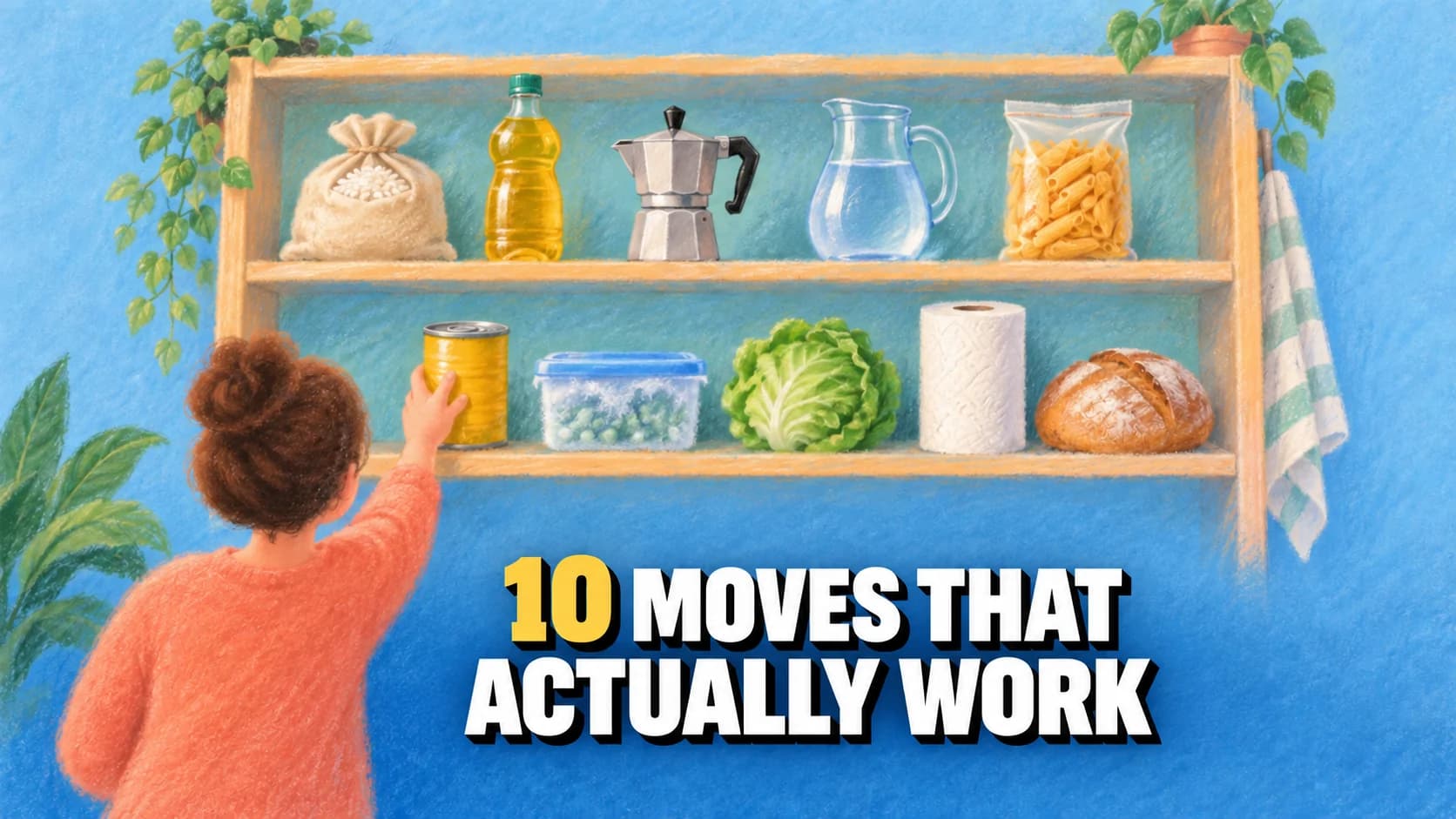
Save Money on Groceries in Switzerland: what actually works
10 proven strategies for groceries in Switzerland, ranked by how much they move: what actually works, with real data and concrete examples.

A Cheap Dinner Party Menu for Guests in Switzerland
Host an impressive three-course dinner in Switzerland on a budget. A make-ahead framework built on cheap-but-generous heroes bought on this week's offers.
Cumulus vs Supercard: Which Swiss Loyalty Program Is Actually Worth It?
Migros Cumulus and Coop Supercard side by side, September 2026: 500 points = CHF 5, 100 superpoints = CHF 1, free credit cards and the full table.
Swiss Loyalty Card Wallet: Cumulus and Supercard at the Till, Without Logging In Every Time
Cumulus, Supercard, Lidl Plus, IKEA, Manor: three free ways to keep every Swiss loyalty card on your phone, and the full table of what each returns.
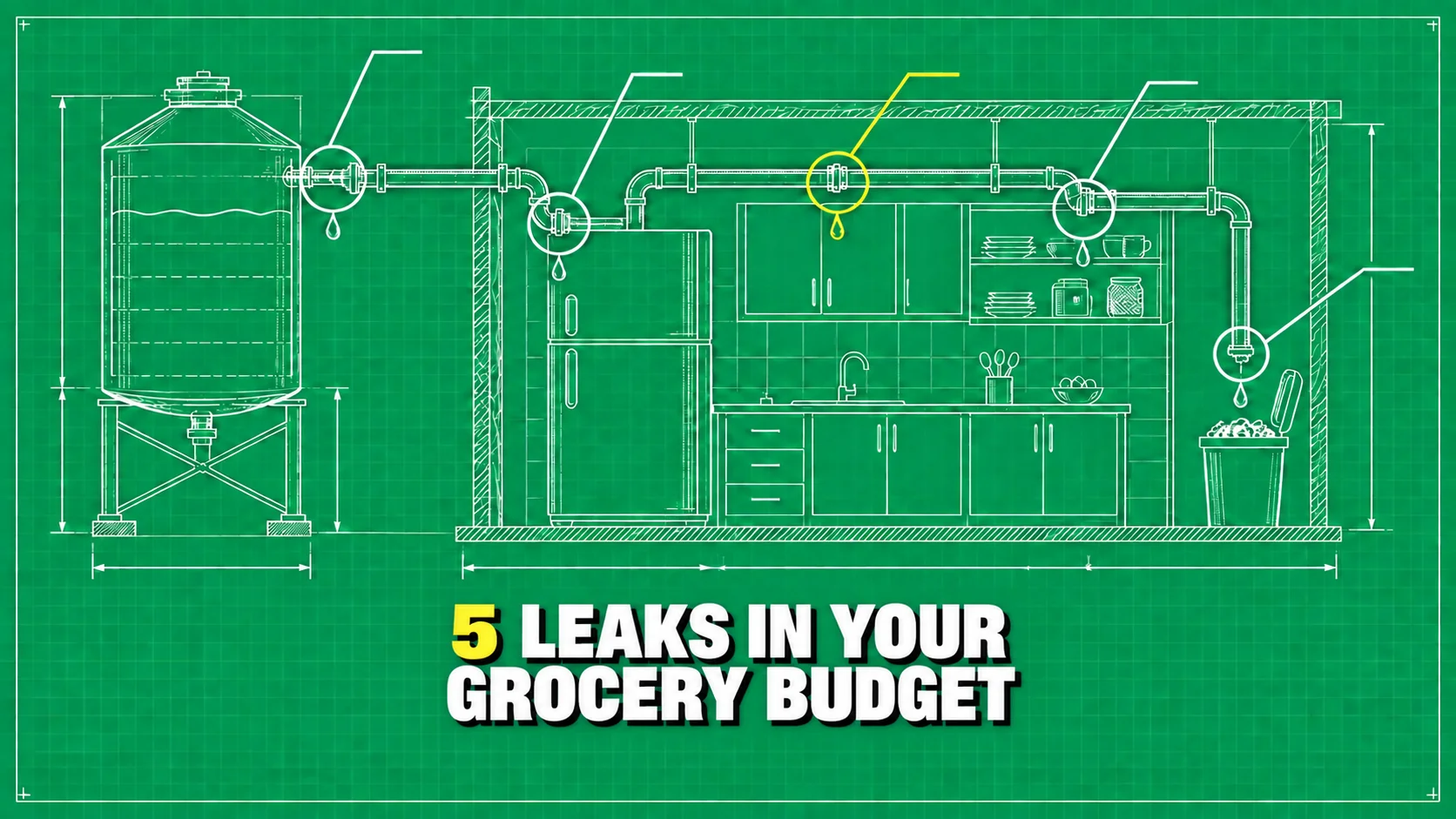
Monthly Grocery Spending Review: What Should Your Household Actually Spend in Switzerland?
The average Swiss household spends CHF 638/month on groceries. What yours should actually spend, where budgets quietly leak, and how to fix it in 30 min.
Student Grocery Budget in Switzerland: How to Eat Well for CHF 250-400 a Month in 2026
A realistic Swiss student food budget is CHF 250-400 a month. The retailers, the staples, and the loyalty cards that actually move the needle.

How to Track Grocery Spending in Switzerland (2026 Guide)
The average Swiss household spends CHF 638/month on groceries (BFS 2023). Track yours by store, category and week. Free guide, three methods, no ads.

Family of Four Grocery Budget in Switzerland 2026: Real Numbers
A Swiss family of four spends CHF 1'500 to 2'000 on groceries. Retailer benchmarks, a priced May 2026 basket and the three habits that move the bill most.

Grocery Budget and Price App for Couples in Switzerland: Real Numbers for 2026
What two people spend on groceries in Switzerland, and how to compare prices in one app before you fill the trolley together. See the budget guide.
Single-Person Grocery Budget in Switzerland: What 1 Person Actually Spends
Singles spend CHF 350 to 600 a month on food, BFS pegs under-65 singles at CHF 351. Inside: the CHF 450 category table, the 7-chain split, the catch.
Splitting groceries in a Swiss flatshare (WG): what goes in the kitty, and how much
Swiss budget counselling figures for students in a WG, four ways to split, settling up with TWINT, and the shared basics on offer this week.
Grocery inflation in Switzerland 2026: which categories rose most, and how to beat it
Swiss food prices sat below their year-earlier level in spring 2026, while headline inflation was +0.4% in July 2026 (Federal Statistical Office).
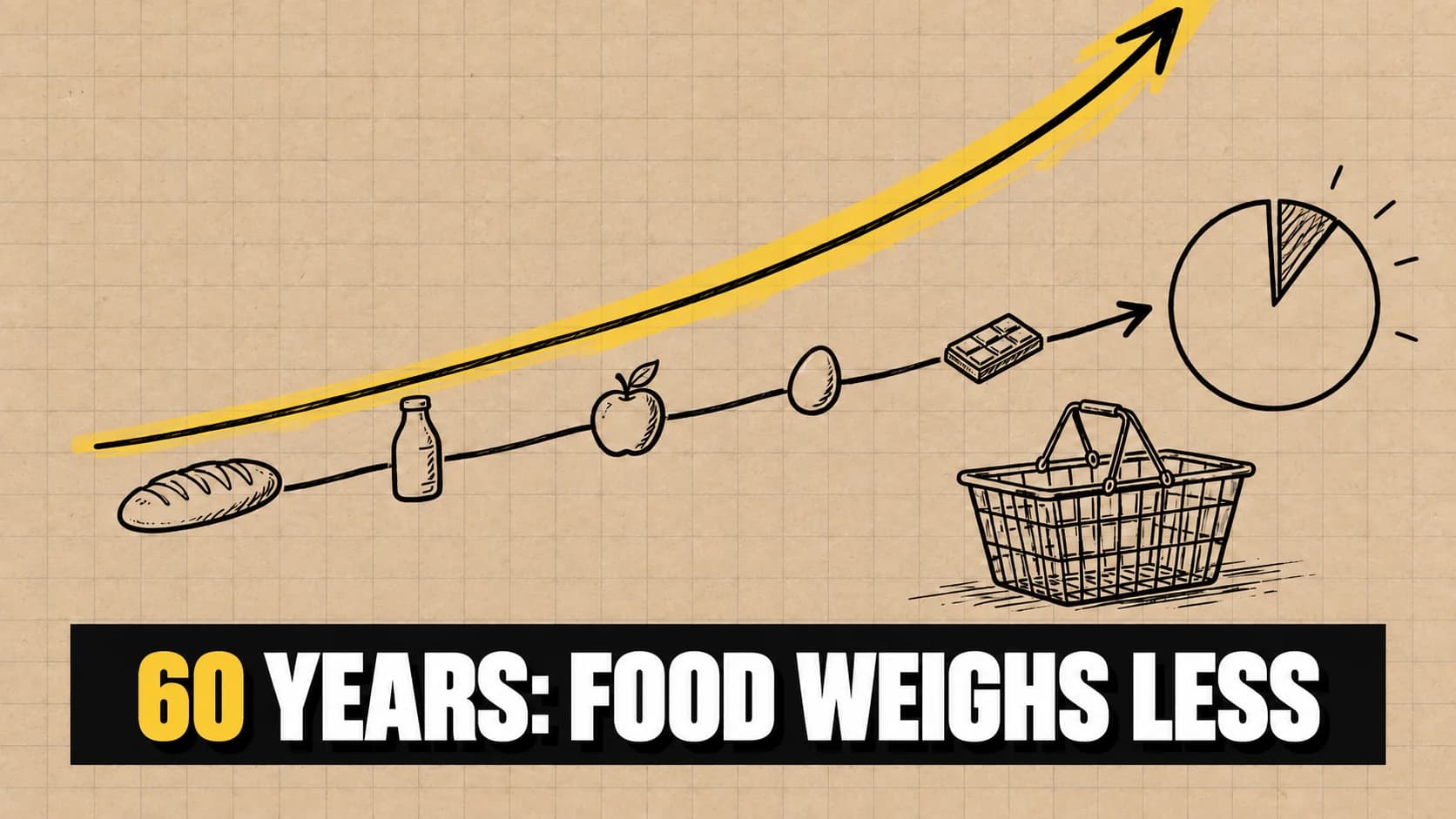
How Swiss grocery prices have changed: 60 years of data, and why food is cheaper than it feels
How Swiss grocery prices changed over 60 years: vs wages, the franc and the world. Europe's priciest food (161, EU=100) but a shrinking share of income.

Why are groceries so expensive in Switzerland?
Why are Swiss groceries so expensive? A neutral explainer of the high-price island: agricultural protection, high costs, a small market and import rules.

Shrinkflation in Switzerland: how to spot the hidden price rise
Shrinkflation in Switzerland: smaller packs, same price. Spot it by reading the unit price per 100g or litre, shown for promotions free in Rappn.
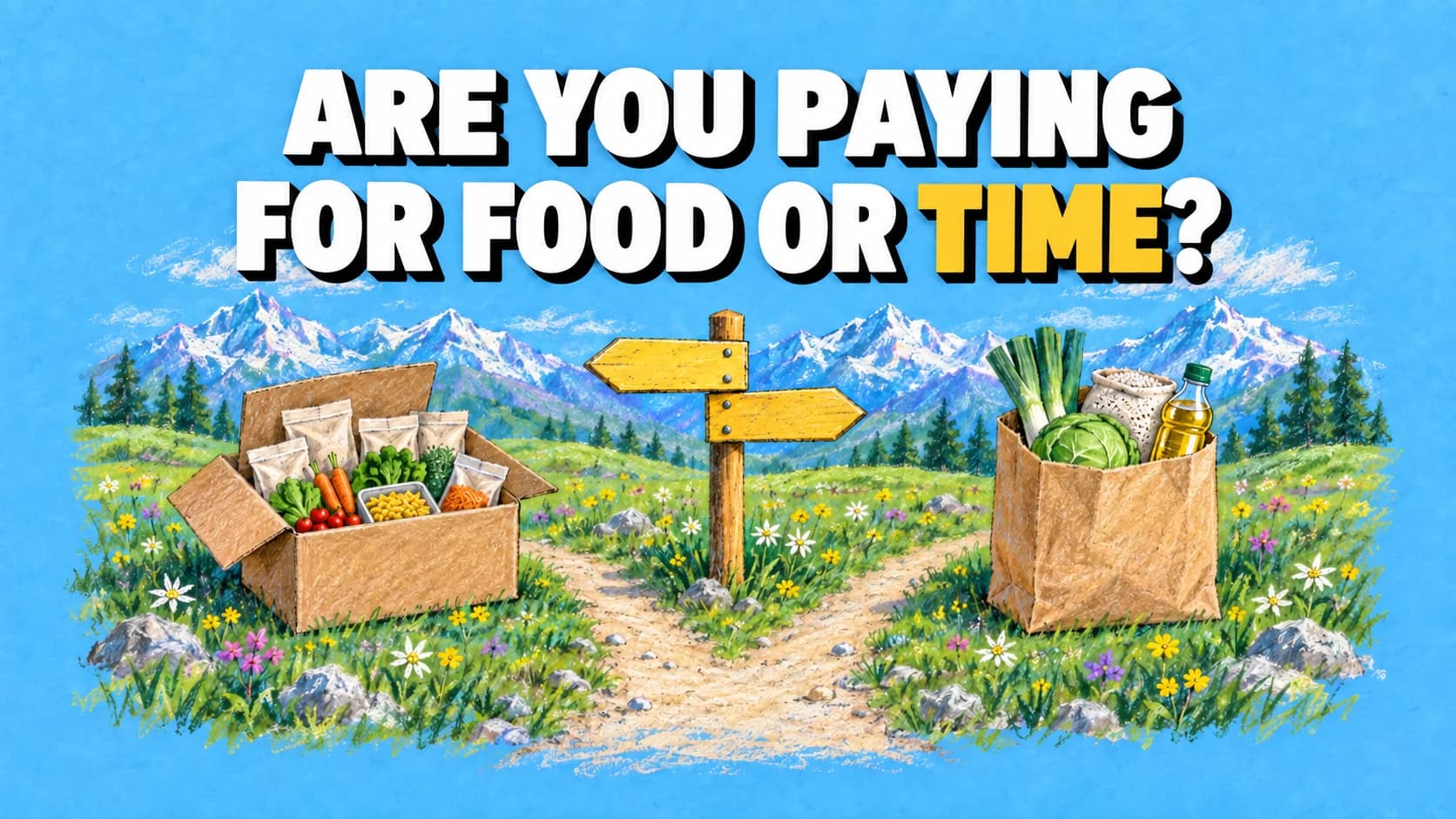
Meal kit vs groceries in Switzerland: which is worth it?
Meal kit vs buying groceries in Switzerland: a neutral cost and convenience comparison. A kit saves time but costs more; DIY is cheaper.
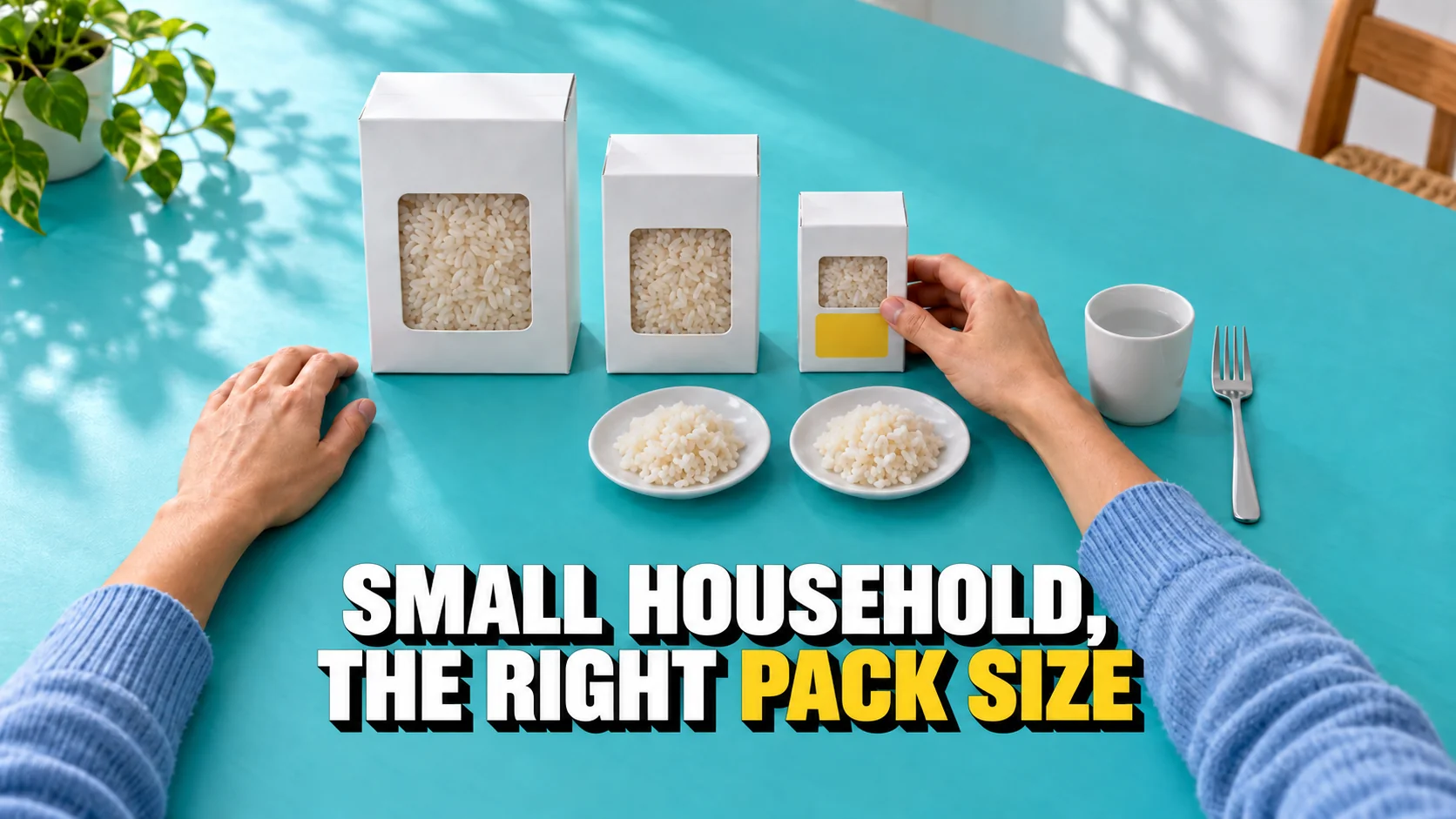
Grocery budgeting for seniors in Switzerland on a fixed income
Grocery budgeting for retirees in Switzerland on a fixed AHV pension: smaller packs, own-brands, weekly offers, less waste and planning around mobility.
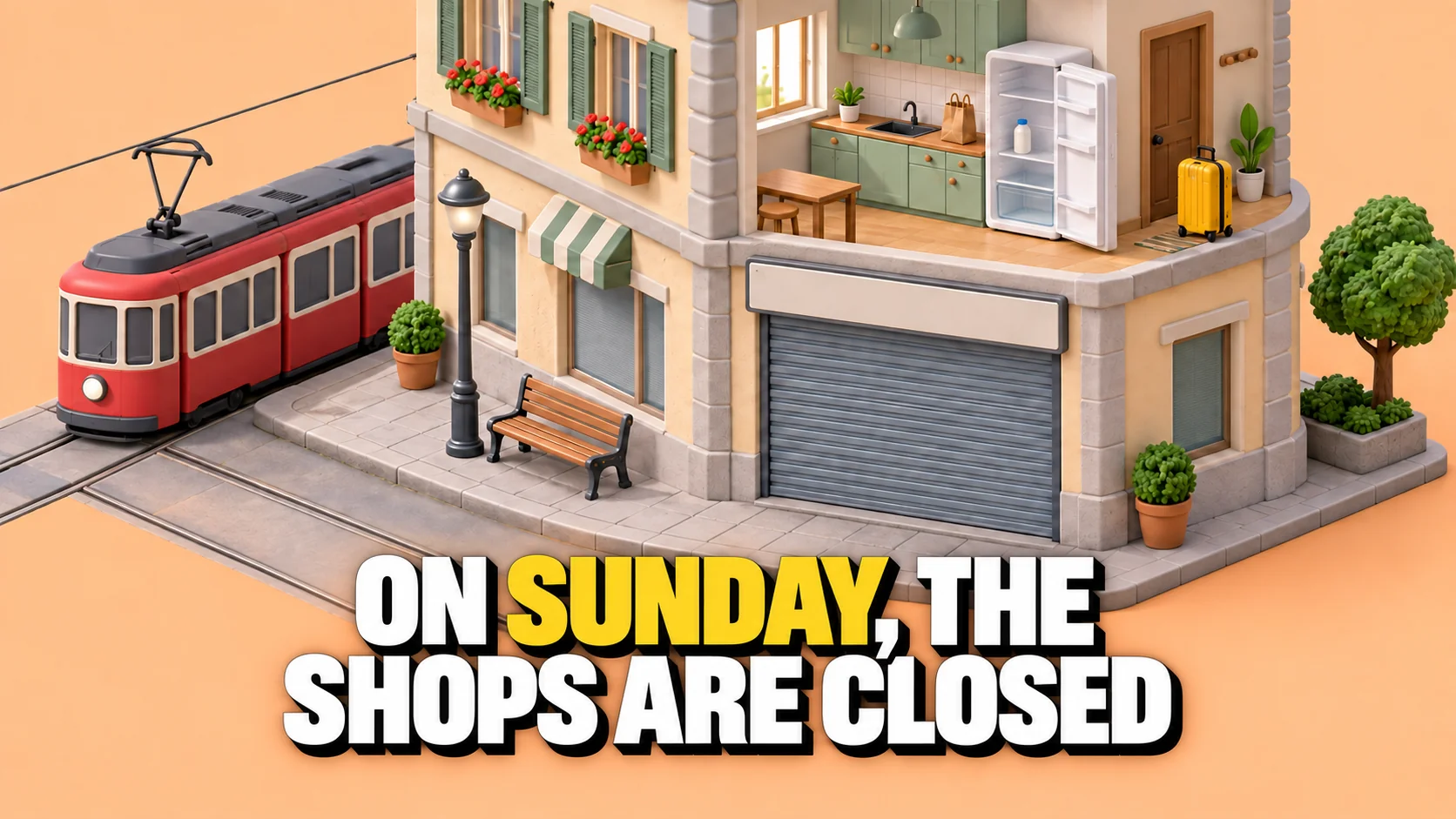
Grocery shopping in Switzerland: a guide for newcomers and expats
New to Switzerland? A guide to grocery shopping: the main chains, why food costs more, opening hours, Sunday closures, loyalty cards and deposits.
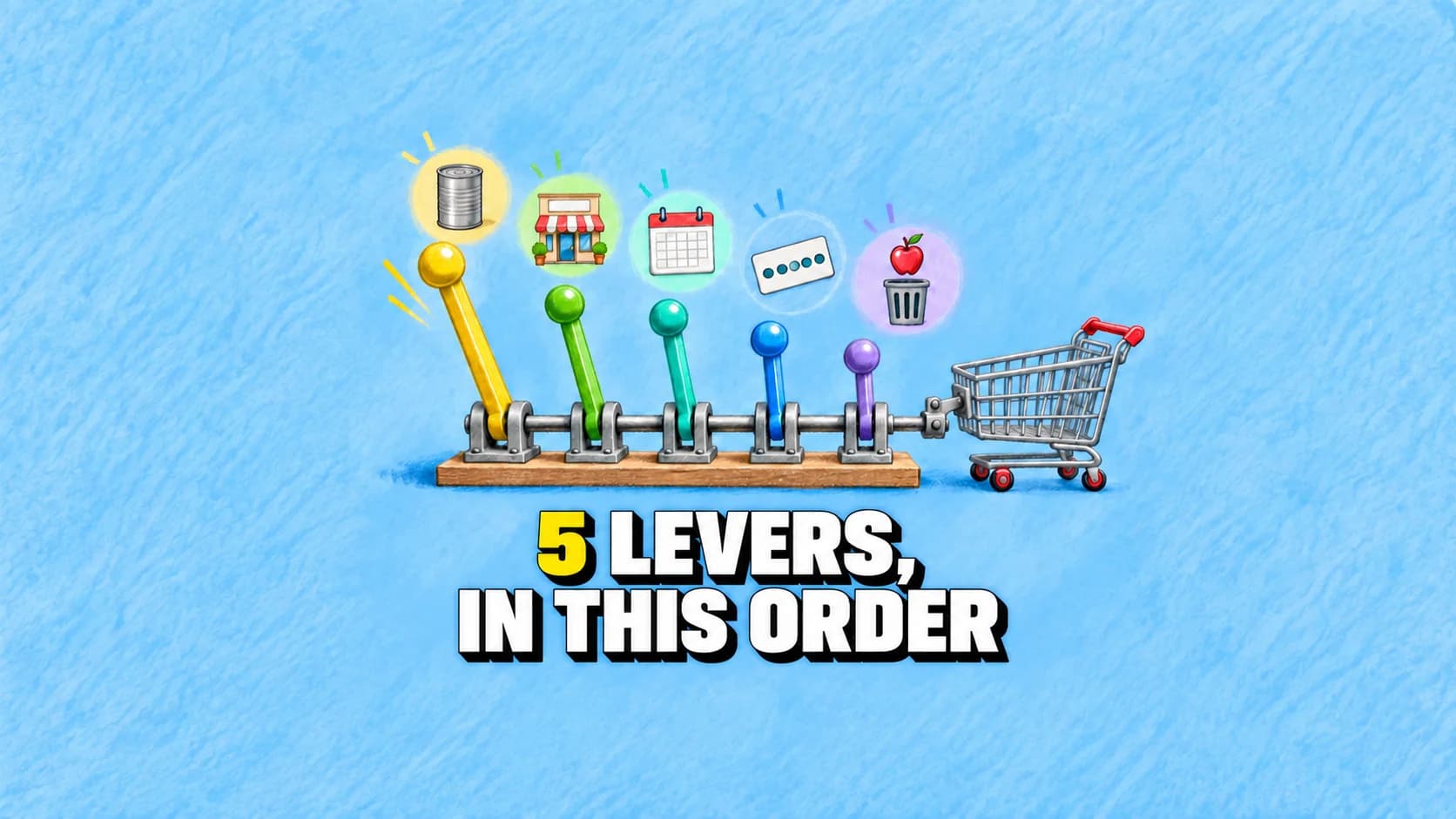
How do I save on groceries in Switzerland?
Which grocery savings actually pay off in Switzerland 2026? Own-brands, discounters, promo timing, loyalty, food waste, with real CHF figures.

How do supermarket coupons and vouchers work in Switzerland?
How do digital coupons and vouchers work at Migros, Coop, Denner and Lidl? How to activate them, combine them and compare chains before you clip.
Lidl Plus Switzerland: How It Works and Is It Worth It?
Lidl Plus Switzerland explained: digital coupons, Lidl points (1 franc = 1 point), free rewards and data basics. Honest verdict, as of June 2026.
Supermarket gift cards in Switzerland: which ones exist and how long are they valid?
Migros, Coop, Denner, Aldi and Lidl gift cards compared: amounts, where to buy, digital vs physical, validity and how to use them smartly.

Cheap, Healthy School Snack and Lunchbox Ideas for Swiss Kids
Cheap, healthy school snack and lunchbox ideas for Swiss kids in 2026: cost per portion of homemade vs packaged, weekly family cost and a shopping list.
Migros Discounts and Cumulus 2026: How to Really Save on Your Shop
Save at Migros 2026: what Cumulus really returns (about 1%), how the vouchers work and when the Aktionen run, now Thu-Wed since February 2026.
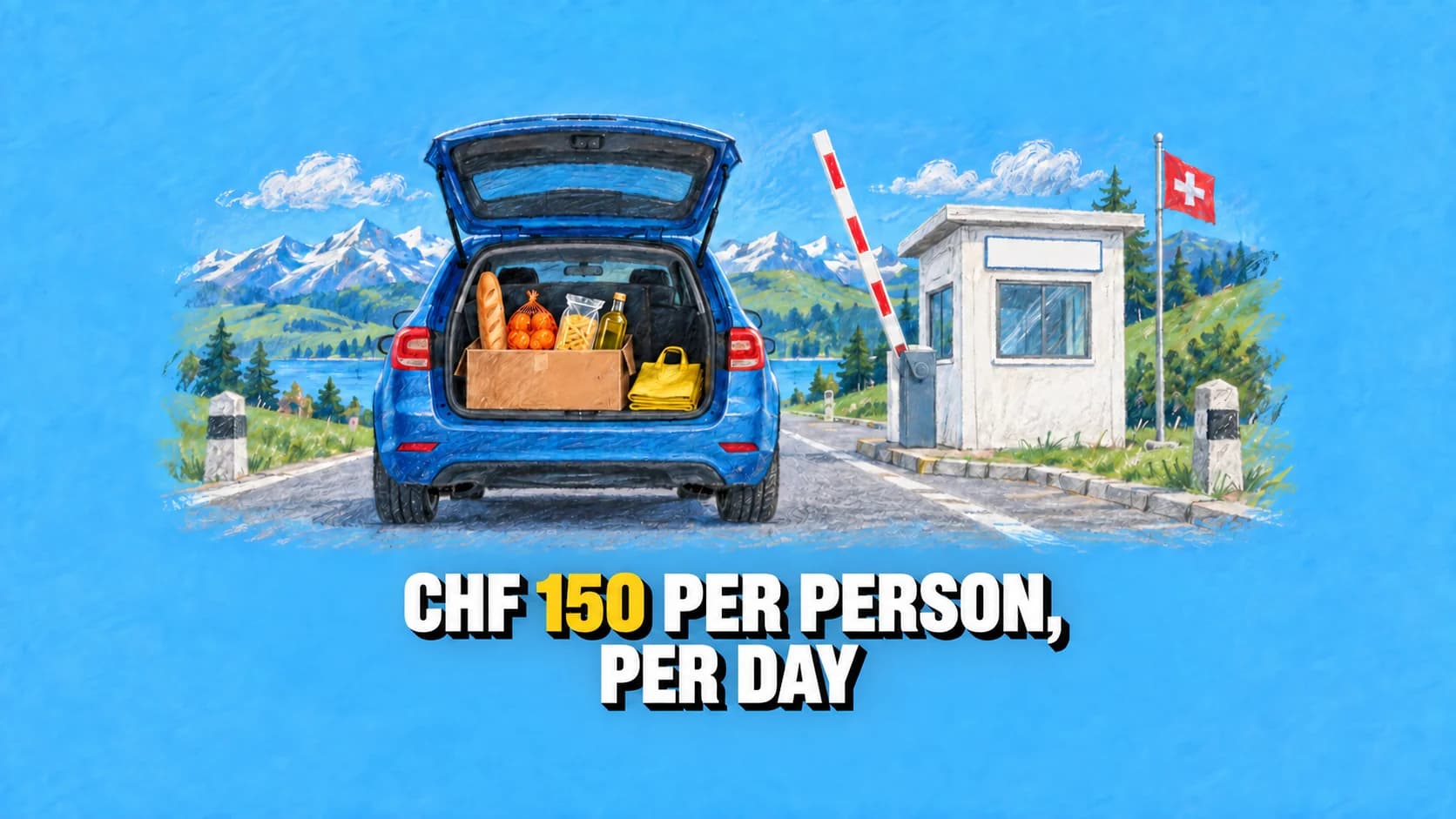
Cross-Border Shopping Switzerland 2026: Customs Rules for Germany, France and Austria
Cross-border shopping 2026: the CHF 150 duty-free limit, quantity allowances and VAT refunds in Germany (new app), France and Austria.
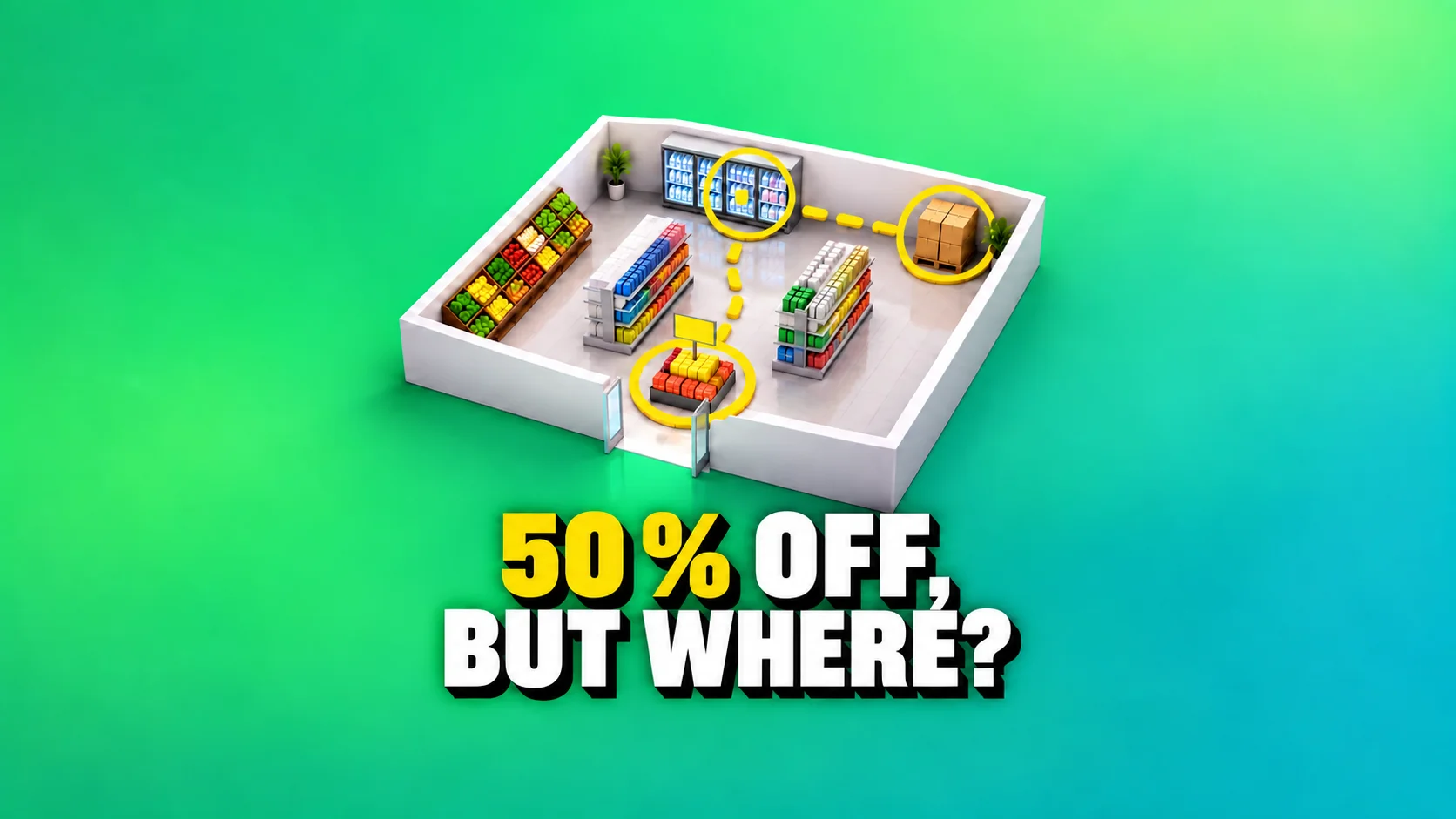
50 percent off groceries in Switzerland: where it really happens
Half price in Switzerland comes in waves: Thursday promotions, yellow-sticker markdowns near the date, seasonal clearances. The tiers, chain by chain.
The biggest Swiss household expenses: what you can cut, and when
Housing, taxes, health insurance (BFS 2023) and the deadlines: health insurance by 30 Nov, other cover 3 months ahead, groceries every week.
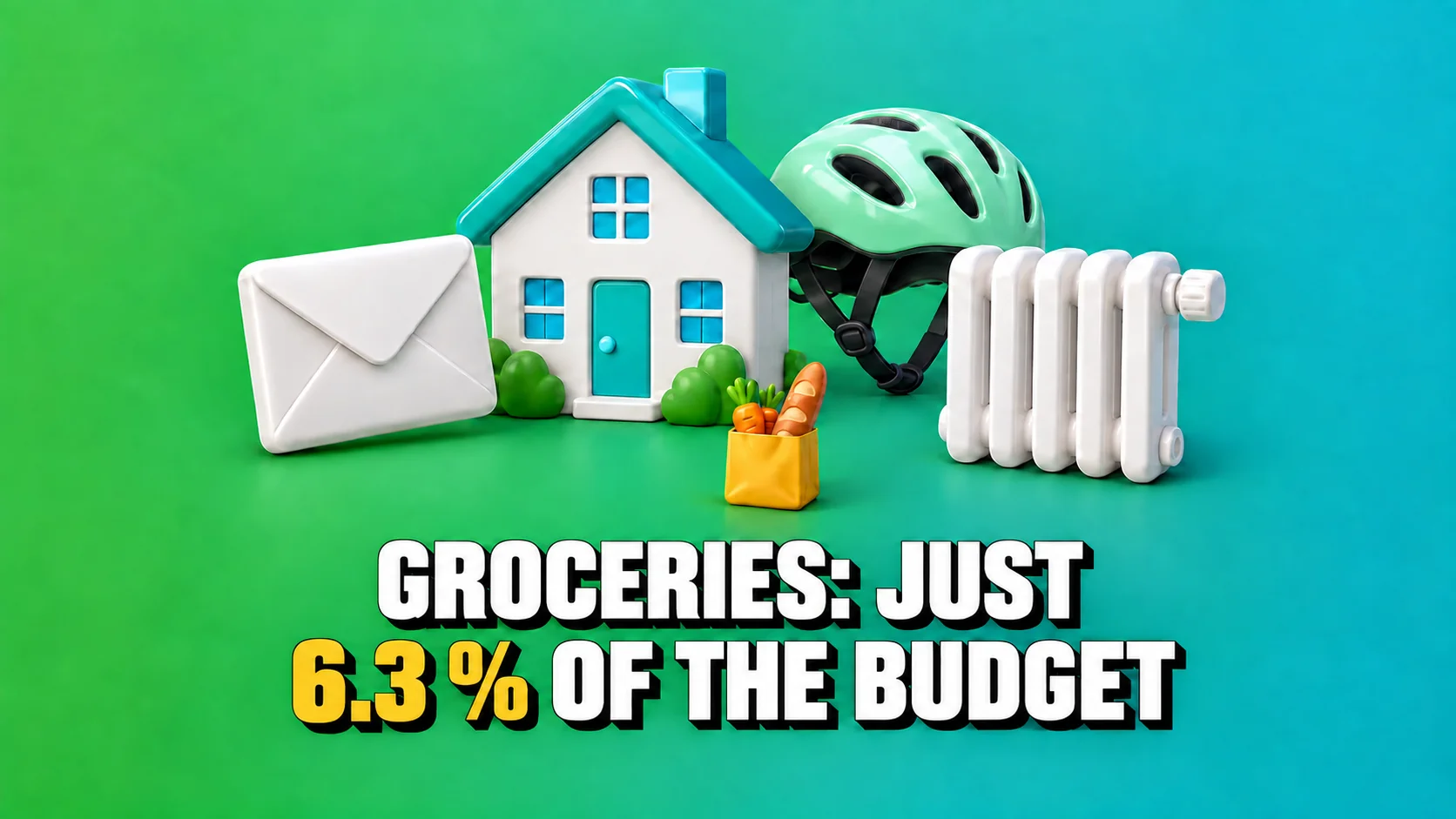
Average household expenses in Switzerland, BFS explained
What does a Swiss household spend? BFS HABE 2023: gross income ~CHF 10'341, housing CHF 1'449, groceries CHF 638, savings CHF 1'736.
How much money should you save per month? Guidelines for Switzerland
No official figure: the 50-30-20 rule says 20 %, Budgetberatung 3 to 6 months' emergency fund. The average household saves CHF 1'736/month (BFS HABE 2023).
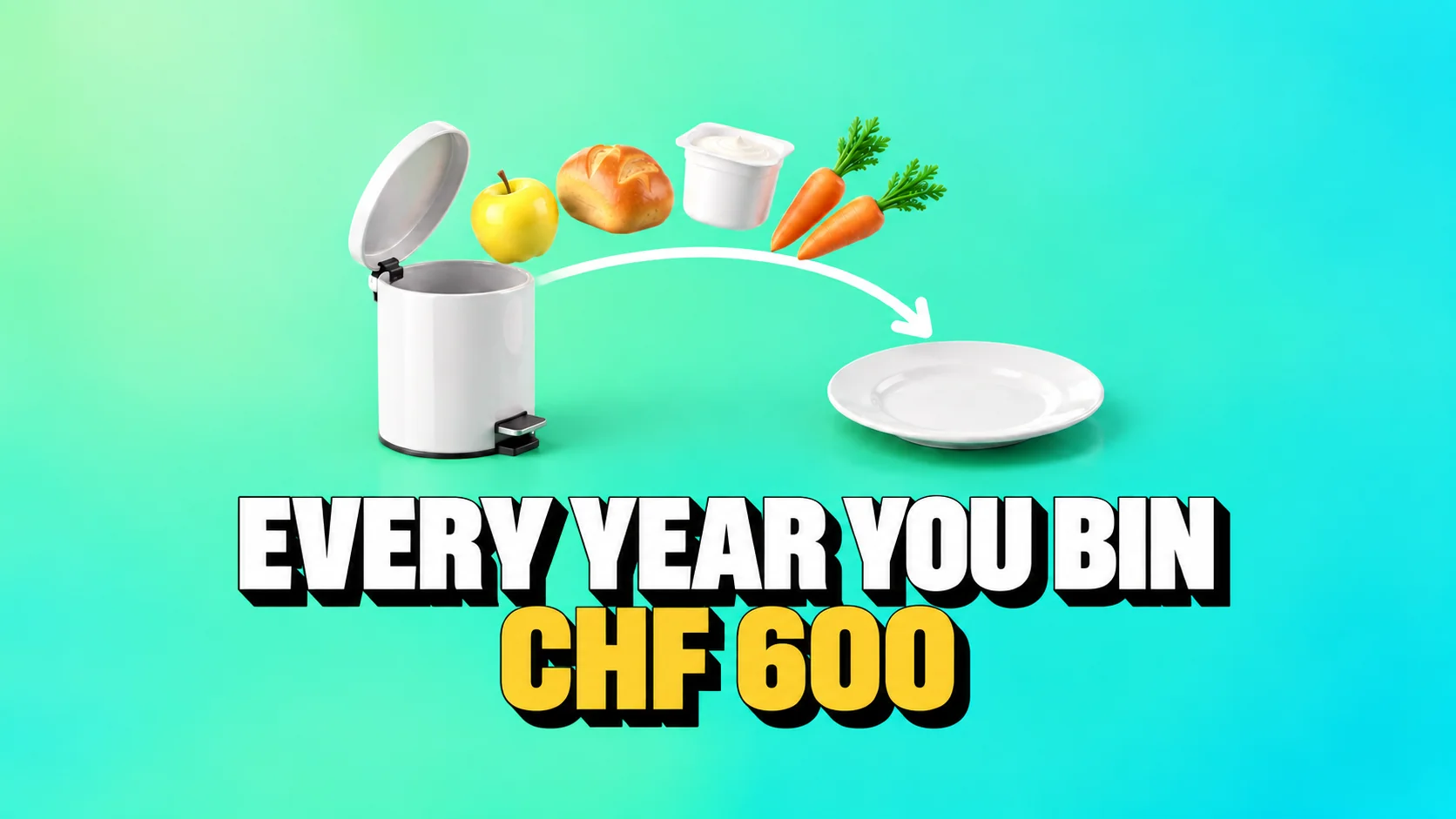
Food waste is money: what a household bins each year, and how to get it back
In Switzerland each person throws away ~80 kg of food a year at home, worth ~CHF 600 (foodwaste.ch). How to get that money back with Rappn.
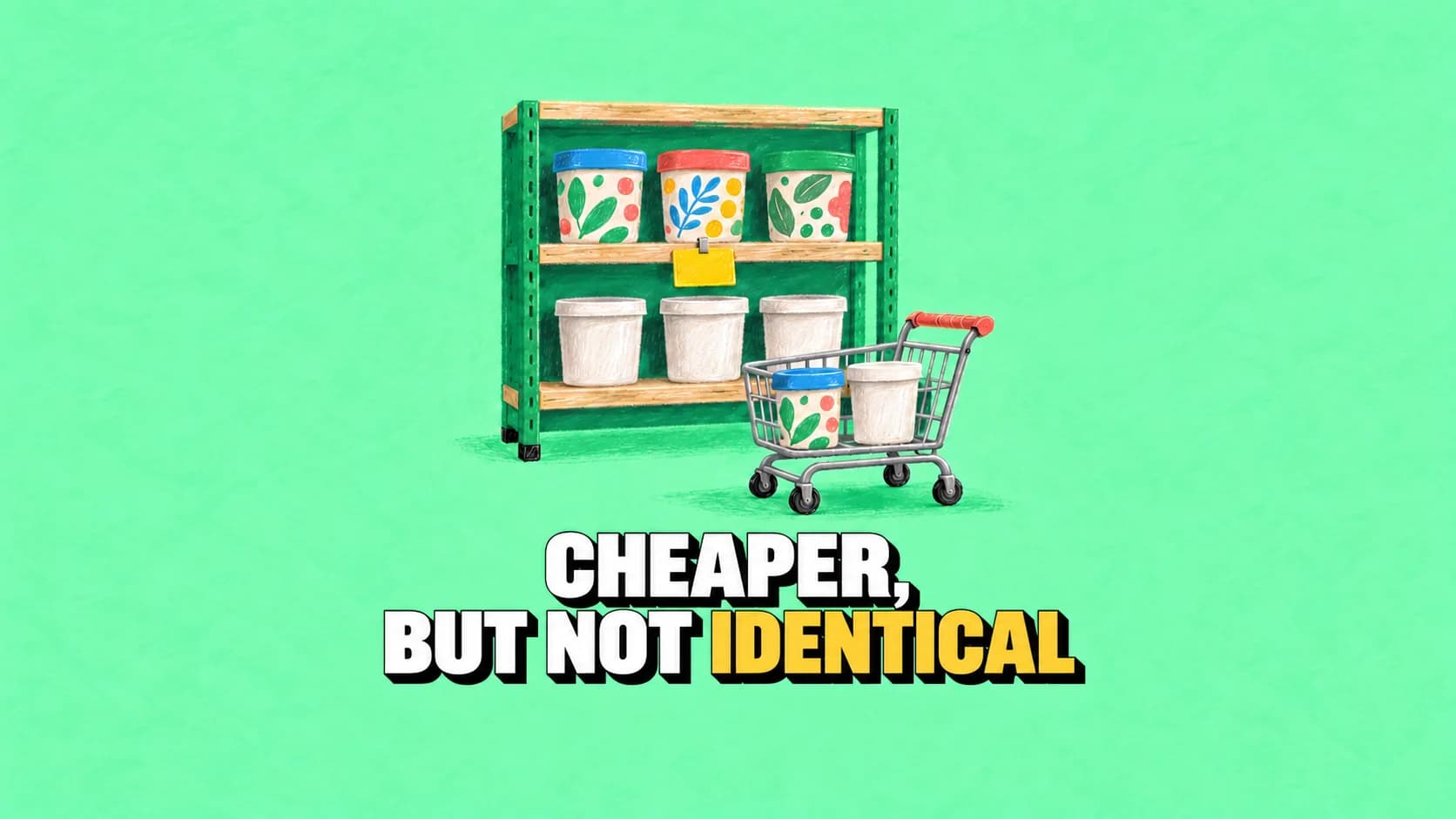
Own-brand or brand? When switching genuinely pays off
Kassensturz 2025: M-Budget basket ~38 %, Prix Garantie ~51 % cheaper than brands. But budget is not always the same product.
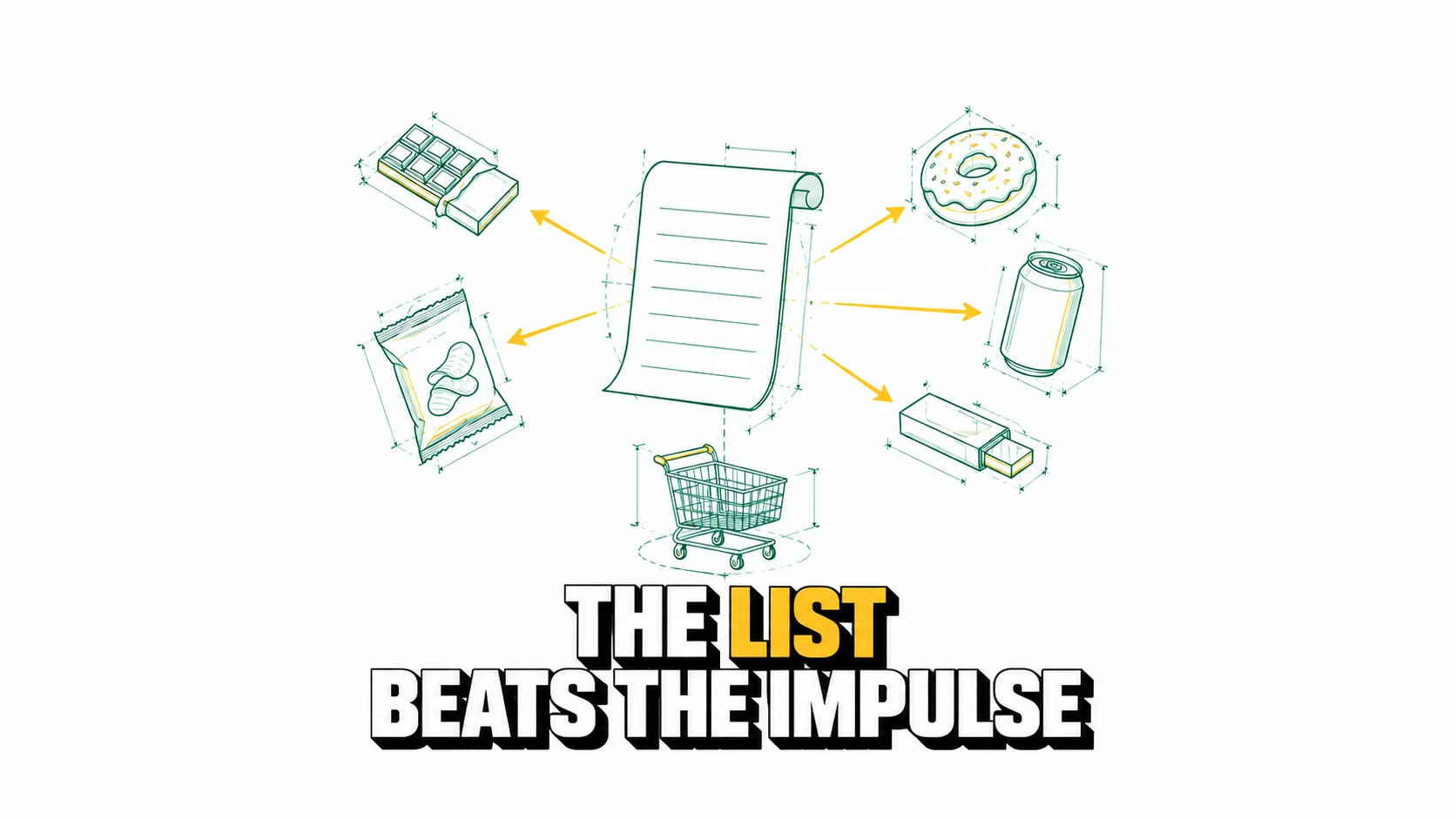
Avoiding impulse buys in Swiss supermarkets: the list, the checkout and this week's promotions
Write the list at home, shop after eating, know the checkout zone. Plus, live each week: how many promotions are snacks and how many need 2 or more.
Supermarket price traps: the tricks that make you pay more
Crossed-out prices, volume deals, shrinkflation, eye level: the 4 supermarket price traps and how to see through them, with the price per kilo.

How much money for food per month? The Swiss benchmark
The average Swiss household spends ~CHF 638/month on food (BFS, 6.2% of gross income). By type: single ~CHF 351, couple with 3+ children ~CHF 1'082.
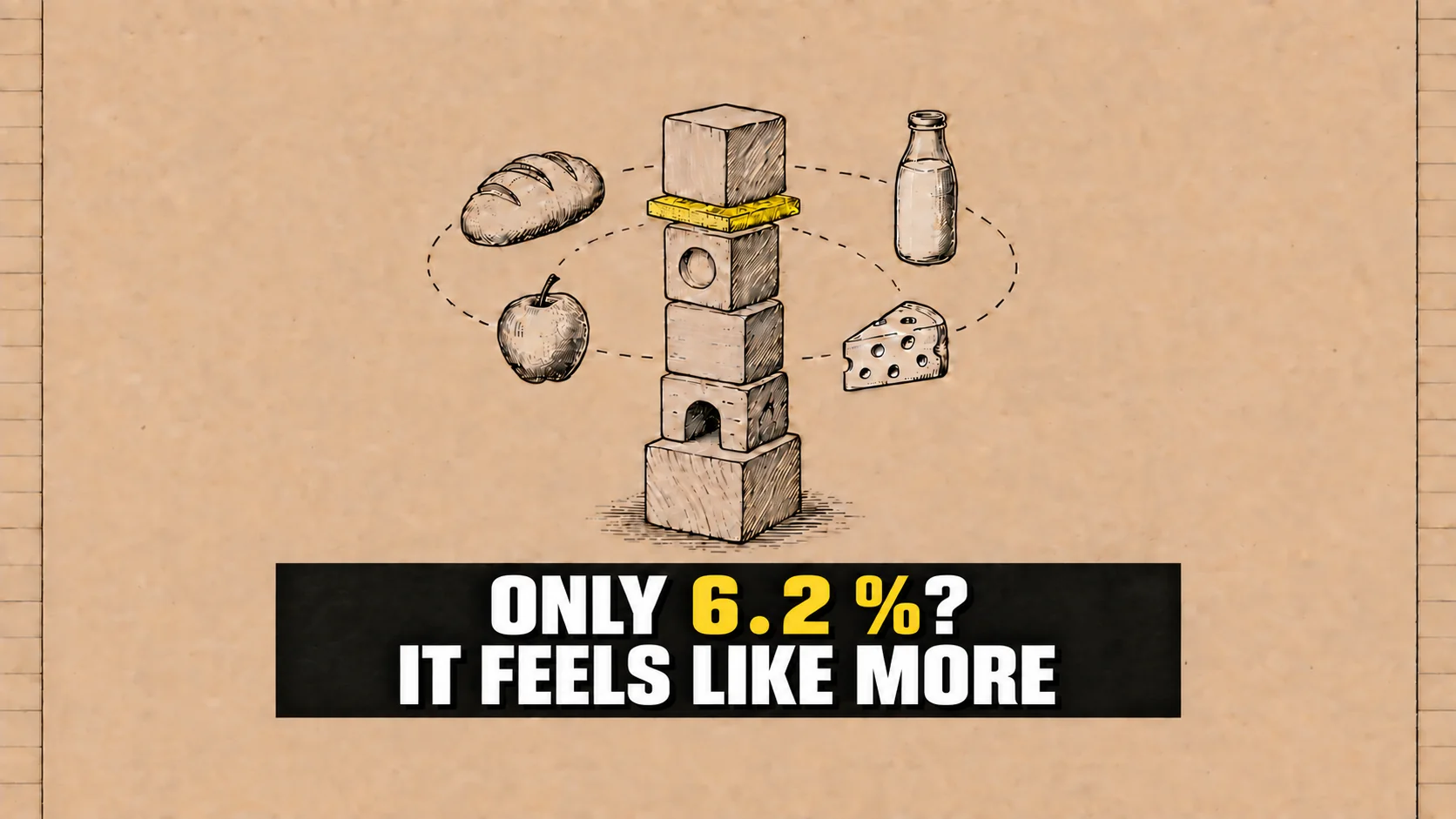
What percentage of income goes to food?
Only ~6.2% of gross income goes to food in Switzerland (BFS, ~CHF 638/month). Why it feels like more, and how to see your real share in Rappn.
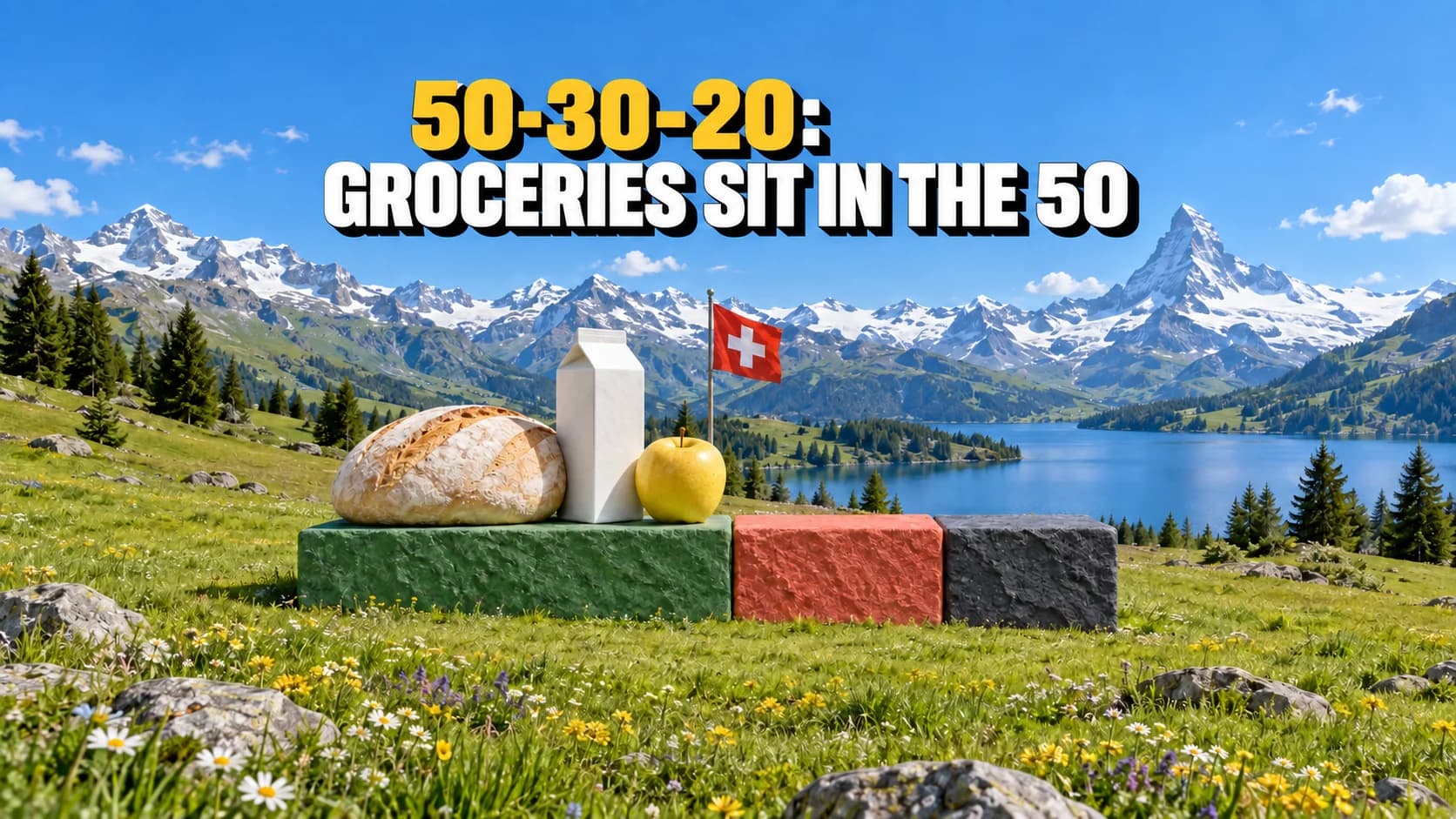
The 50-30-20 rule applied to Swiss numbers: where groceries fit
50-30-20 splits net income: 50% needs, 30% wants, 20% saving. Where groceries fit and why the rule is only a starting point in expensive Switzerland.
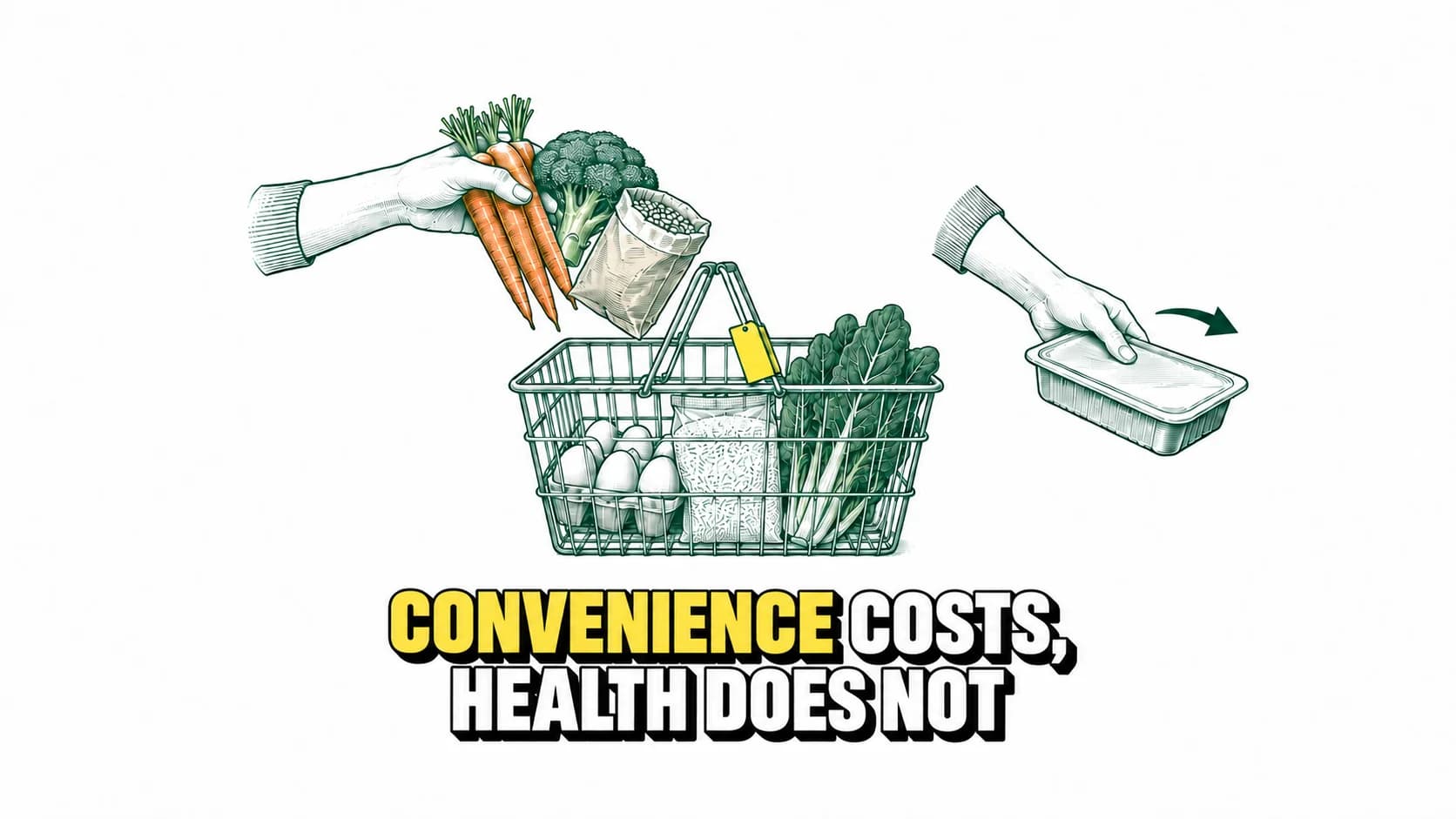
Eat healthy on a budget in Switzerland: what it really costs
Eating healthily costs only ~CHF 14/week more than unhealthy, if you cook fresh (BLV study: 95 vs 109 vs 145 CHF, couple).

Family food budget: how much does a household with children need?
How much does a family need for food? BFS by type: couple with 3+ children ~CHF 1'082/month, single ~CHF 351 (not by headcount).
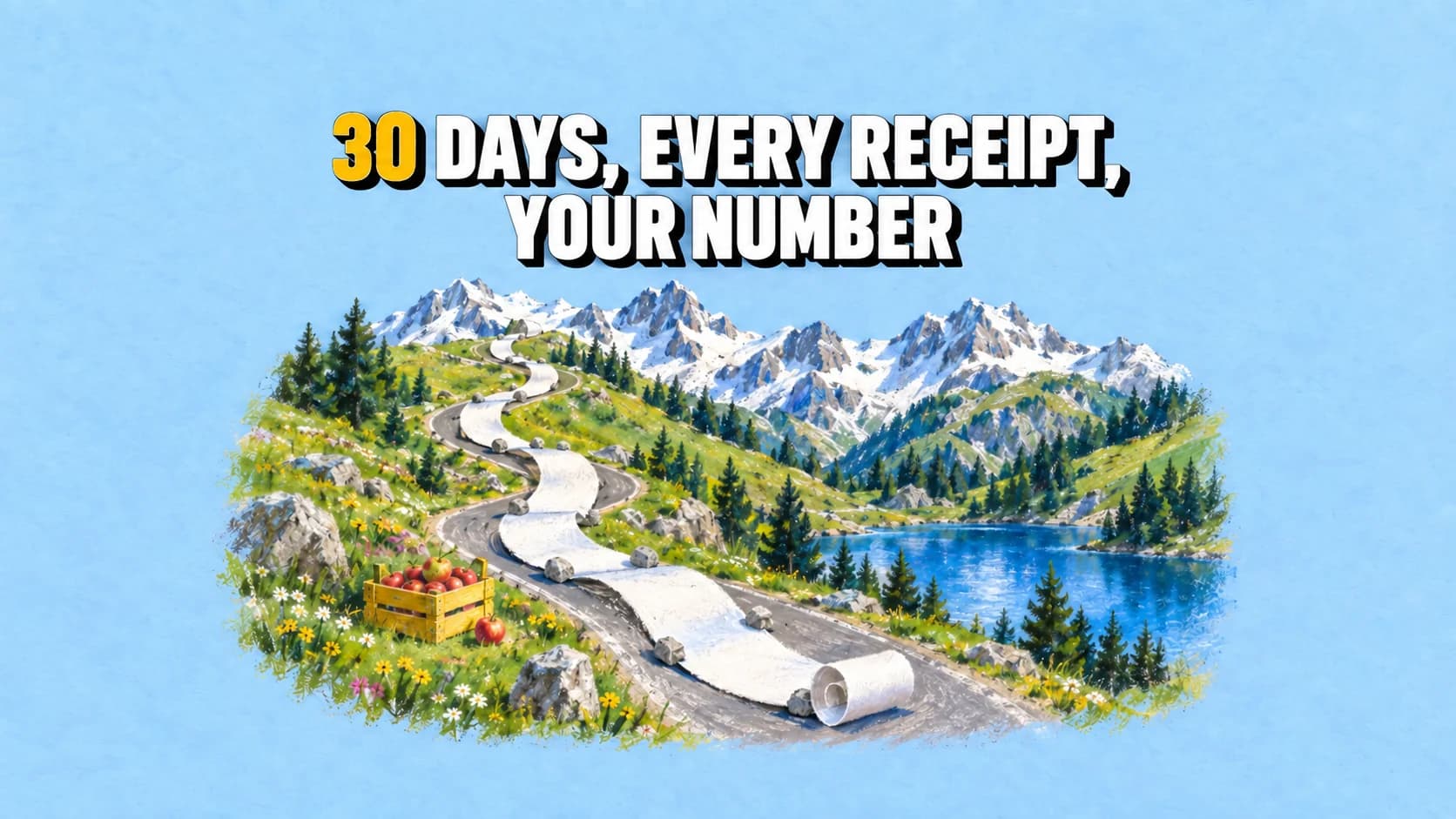
How much do I spend on groceries? The 30-day self-test
Guessing almost always underestimates. The 30-day self-test: scan every receipt and compare against the BFS benchmark (~CHF 638/month).

Receipt scanner & budget apps: what each one can do
Which app scans receipts and what can it do? BudgetHub, BudgetCH, epap, Toshl and Rappn compared neutrally, plus the promotions of 7 chains.

How to scan a receipt: the step-by-step guide
Scan a receipt in seconds: lay it flat, photograph the whole receipt, text recognition reads the items, assign categories.

Cashback app vs neutral price comparison: which saves more on shopping?
Loyalty cashback (Cumulus, Supercard) gives ~1 % in the own chain. A neutral comparison works on the base price, across all chains.
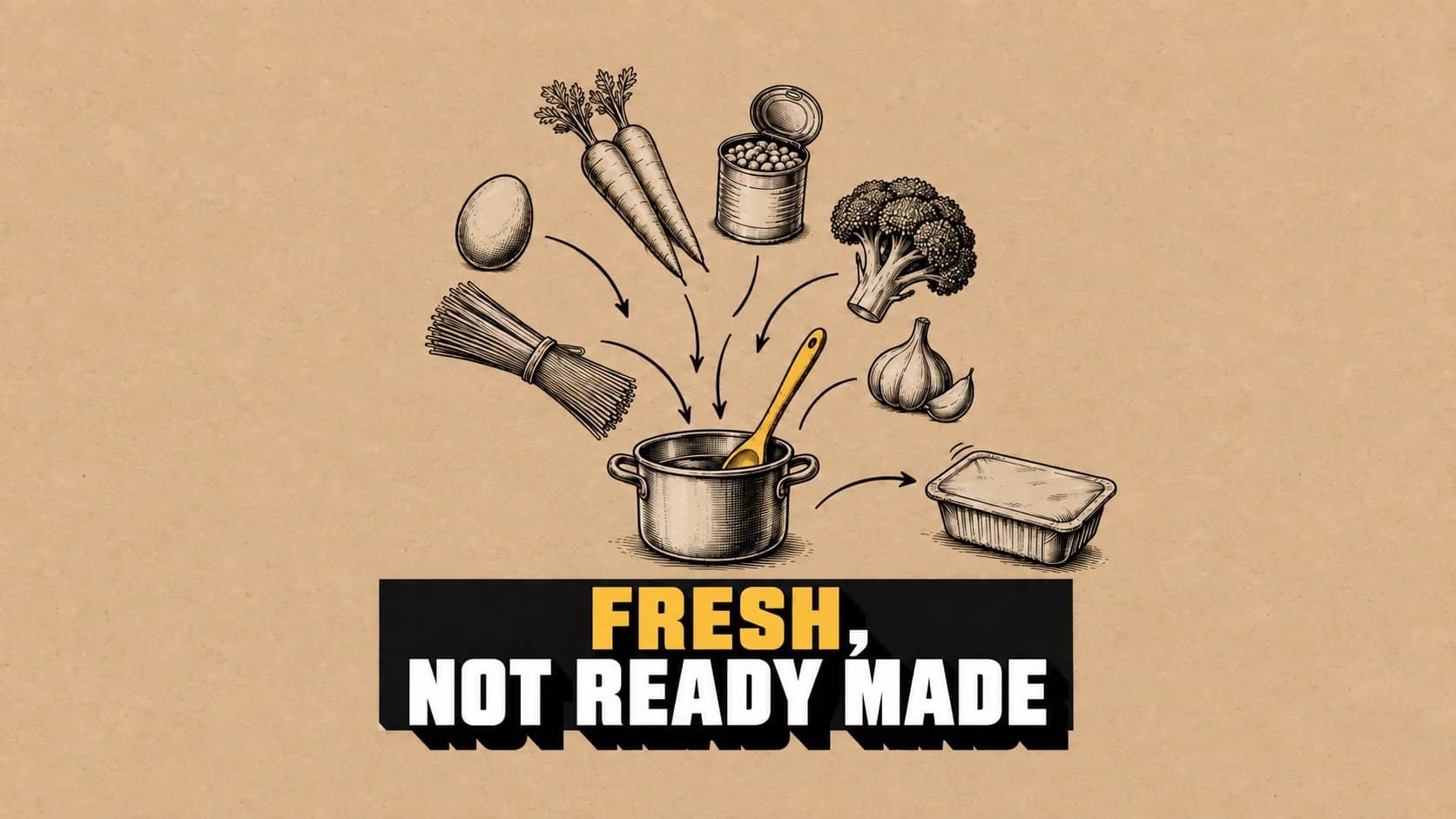
How to cook cheaply in Switzerland: the method
Fresh over ready-made (BLV 2014: CHF 109 vs 145/week), cheap staples, budget lines (Kassensturz 2025: 38 to 51 % cheaper) and cook around the promotions.
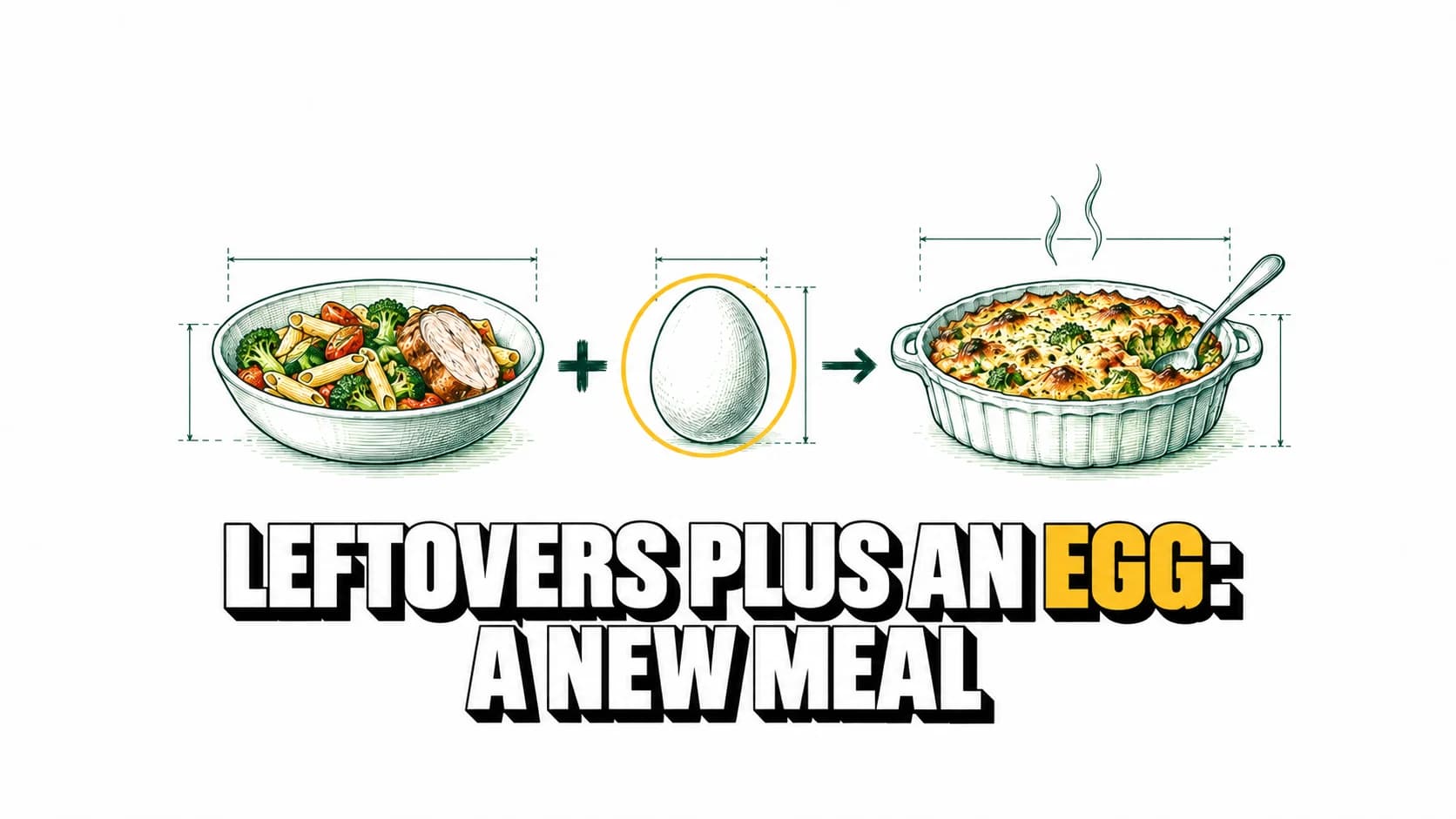
Use up leftovers: recipes that turn food waste into francs
Leftovers plus one cheap ingredient = a meal. Each person bins ~80 kg of food worth over CHF 600 a year (foodwaste.ch), with matched recipes in Rappn.
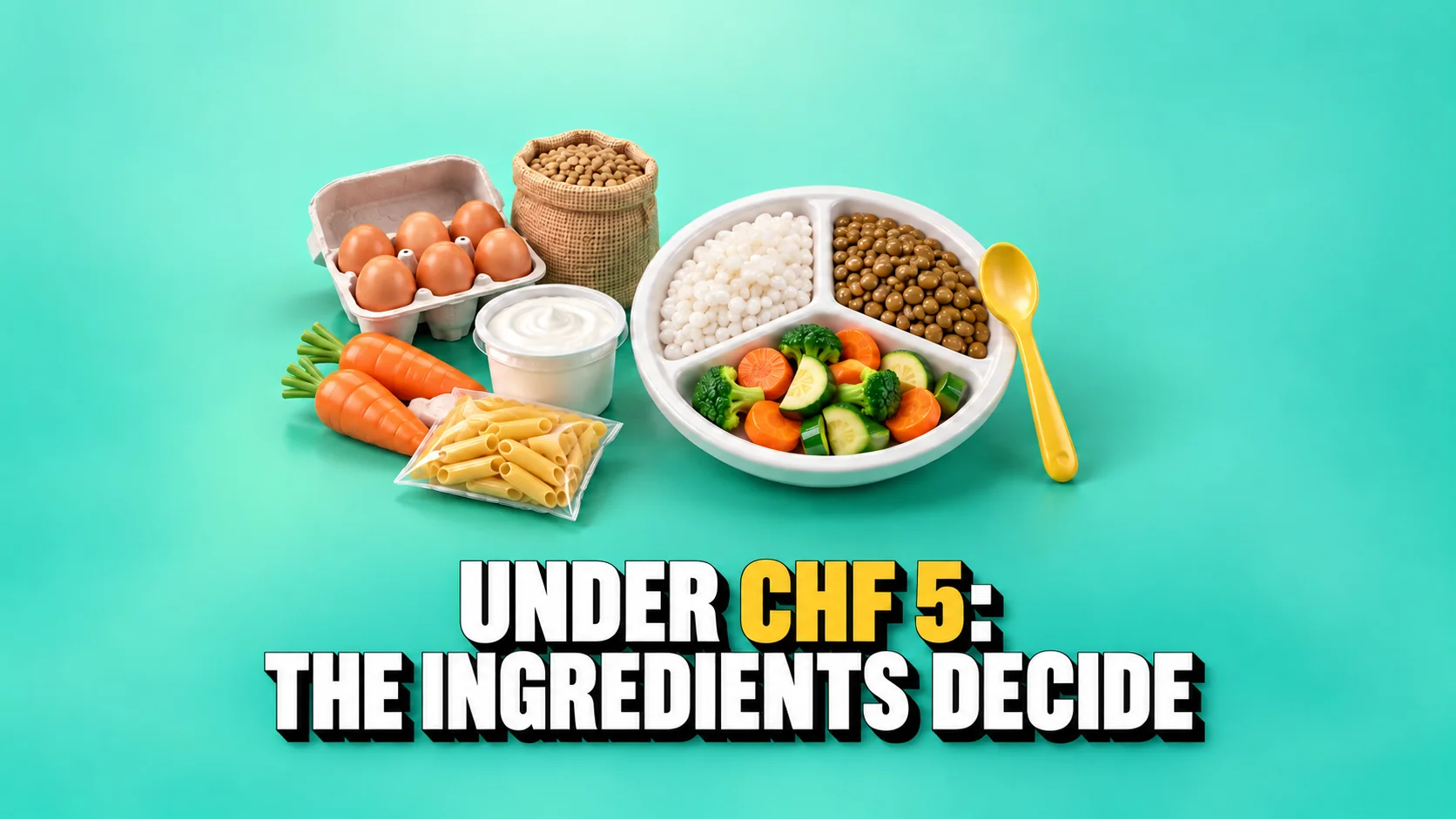
Cook under CHF 5 per person: through the ingredients, not the promise
Swissmilk runs recipes "for under five francs per person". With pulses, eggs and seasonal vegetables it is reliably doable.
First Apartment in Switzerland: What Does a Starter Kitchen Cost?
First-apartment kitchen in Switzerland: what to buy, where to buy it, price anchors from Otto’s and Migros, and the monthly food budget.

Switzerland vs Its Neighbours: How Big Is the Food Price Gap Really?
Eurostat 2025: Swiss food at 155.9, EU 100. Every product group against DE, FR, IT and AT, plus this week's live offers and unit prices inside Rappn.

Weekly Groceries Under CHF 100 for 2 People: The 7-Day Plan
The 7-day plan for two: breakfast pattern, batch-cooked lunches, four dinners, a staple list by aisle, and how to fill it at this week’s live offers.
Save Money on Groceries in Switzerland: 13 Tactics Ranked by Impact
The 13 ways to cut a Swiss grocery bill, ranked by real impact: retailer baskets compared, Thursday deals and live prices in the app.
Maximizing Cumulus and Supercard Points: What Actually Pays?
What 10x and 20x coupons really return, where each card earns, and whether Denner takes Cumulus. Plus this week's promotions from 7 chains, live in Rappn.

Swiss grocery prices in 2027: what the official forecasts actually say
Will grocery prices fall in Switzerland in 2027? SECO, KOF and SNB forecasts in one table, three SECO scenarios from 0.2% to 1.4%, plus coffee and butter.
Receipt Errors in Switzerland: What Are Your Rights at the Till?
Charged more than the shelf said? What SECO and Swiss consumer bodies say, what the K-Tipp test found, and how to spot an unapplied promotion.
Switzerland vs US and UK Grocery Prices: What the Official Numbers Actually Show
Switzerland 155.9 vs EU 100 on food (Eurostat 2025), meat at 219.0. Plus BLS and ONS item prices, and this week's live offers from seven Swiss chains.

Swiss Supermarket Stamp Campaigns: How the Stamps Work and When They Pay Off
Stamps per franc, the top-up payment and the two deadlines that matter: the four-line calculation, plus the stamp campaigns running in September 2026.